

British travellers have no shortage of familiar European holiday options.
The Telegraph thinks Poland deserves to be much higher on that list.
In an extensive travel feature published in January, the newspaper described Poland as “Europe’s vibrant all-rounder” and went further still: “There’s never been a better time to visit Poland.”
- Find more news from Poland on our Homepage .
That is unusually strong language for a country that was long treated by much of Western Europe’s travel press primarily as a destination for Kraków weekends and history-focused trips.
The Telegraph’s argument is that Poland now works on several levels at once.
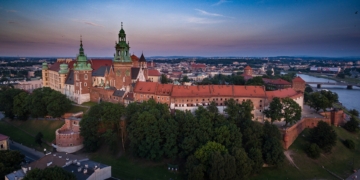
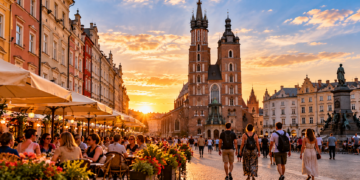
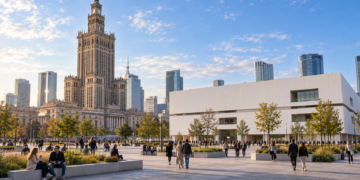
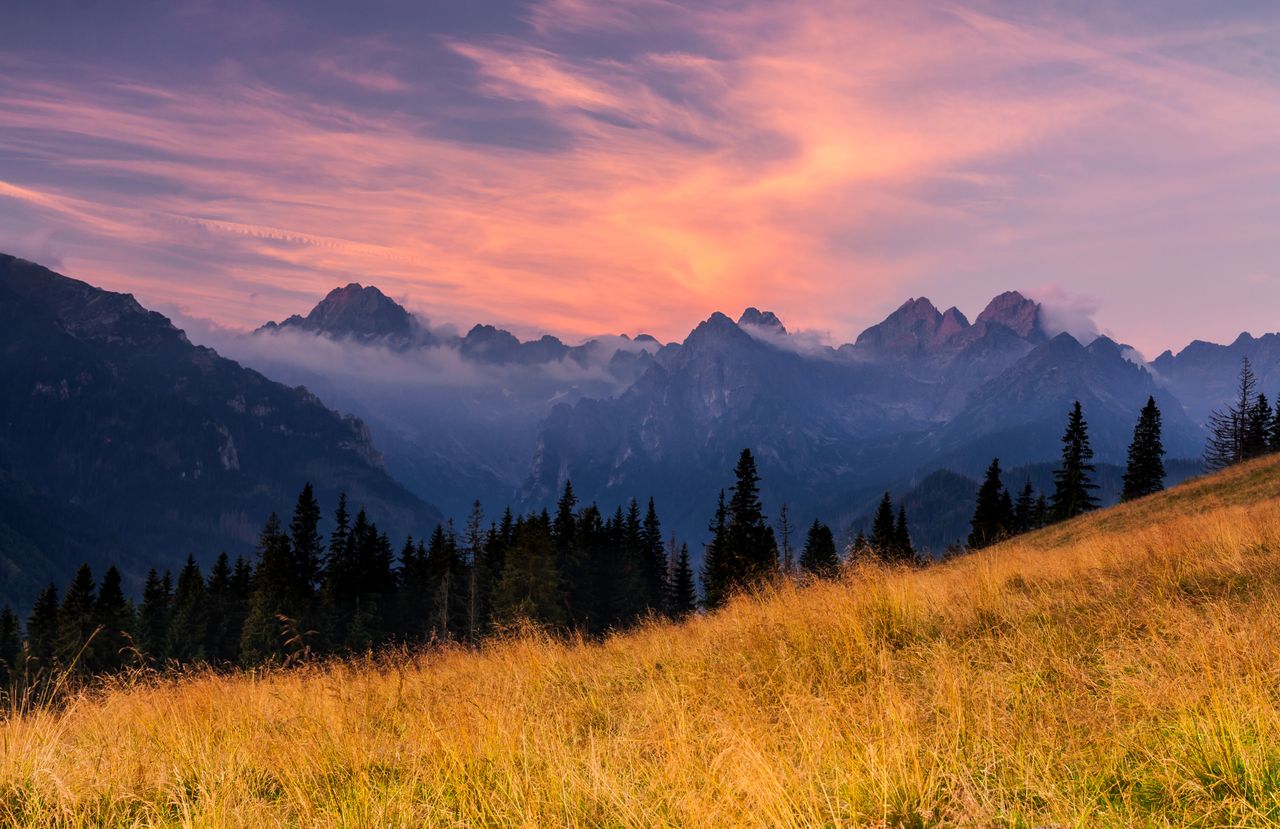
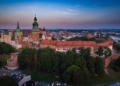
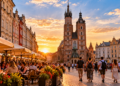
There is Warsaw, with its museums, restaurants and fast-changing architecture. Kraków offers the atmosphere of Poland’s former royal capital around Wawel Castle and the Main Market Square. Gdańsk supplies a historic Baltic city break, while the south provides skiing and mountain holidays and the north opens onto long sandy beaches.
In other words, its strength is variety.
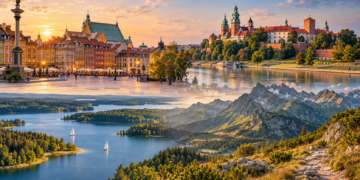
The description also captures something visitors increasingly notice once they travel beyond Poland’s best-known destinations. This is a country where a holiday can mean medieval city centres, post-industrial architecture, lake districts, Baltic resorts, forest landscapes or genuine alpine terrain.
And there remains another advantage: cost.
The Telegraph emphasised Poland’s continuing ability to provide comparatively good value, including ski holidays costing considerably less than many Alpine alternatives and meals that remain affordable by British standards.
The wider data supports the general point, even if individual tourism prices naturally vary.
Eurostat calculated Poland’s overall household-consumption price level in 2025 at 73% of the EU average, putting it among the three lowest-priced member states on that broad measure. It is not a tourism-price index, but it helps explain why visitors arriving from countries such as Britain, Ireland, Denmark or Germany often experience a favourable difference in everyday spending.
More importantly, people are actually coming.
Statistics Poland reported that an estimated 21.4 million foreign tourists visited Poland in 2025, up 8.5% from the previous year. Foreign guests using registered accommodation rose even faster, by 13.1%.
That makes The Telegraph’s enthusiasm part of a measurable change rather than an isolated piece of flattering journalism.
Poland still has some catching up to do with Europe’s tourism giants. France, Spain and Italy occupy a different league in global visitor numbers and international recognition.
But Poland does not need to become another Spain.
Its emerging appeal is almost the opposite: variety without the same degree of saturation, strong transport links between dramatically different regions, substantial cultural depth and prices that can still compare favourably with much of Western Europe.
The phrase “all-rounder” therefore feels particularly apt.
Very few countries allow a traveller to combine Wawel Castle, Warsaw’s contemporary skyline, a Tatra mountain trail and a Baltic beach without crossing a border.
You May Also Be Interested In
The Telegraph has noticed.
Judging by the visitor numbers, plenty of travellers are beginning to notice too.