

The most revealing thing about Le Figaro’s Poland travel coverage may be its breadth.
France’s major newspaper does not present the country as a one-city destination or simply another inexpensive weekend break.
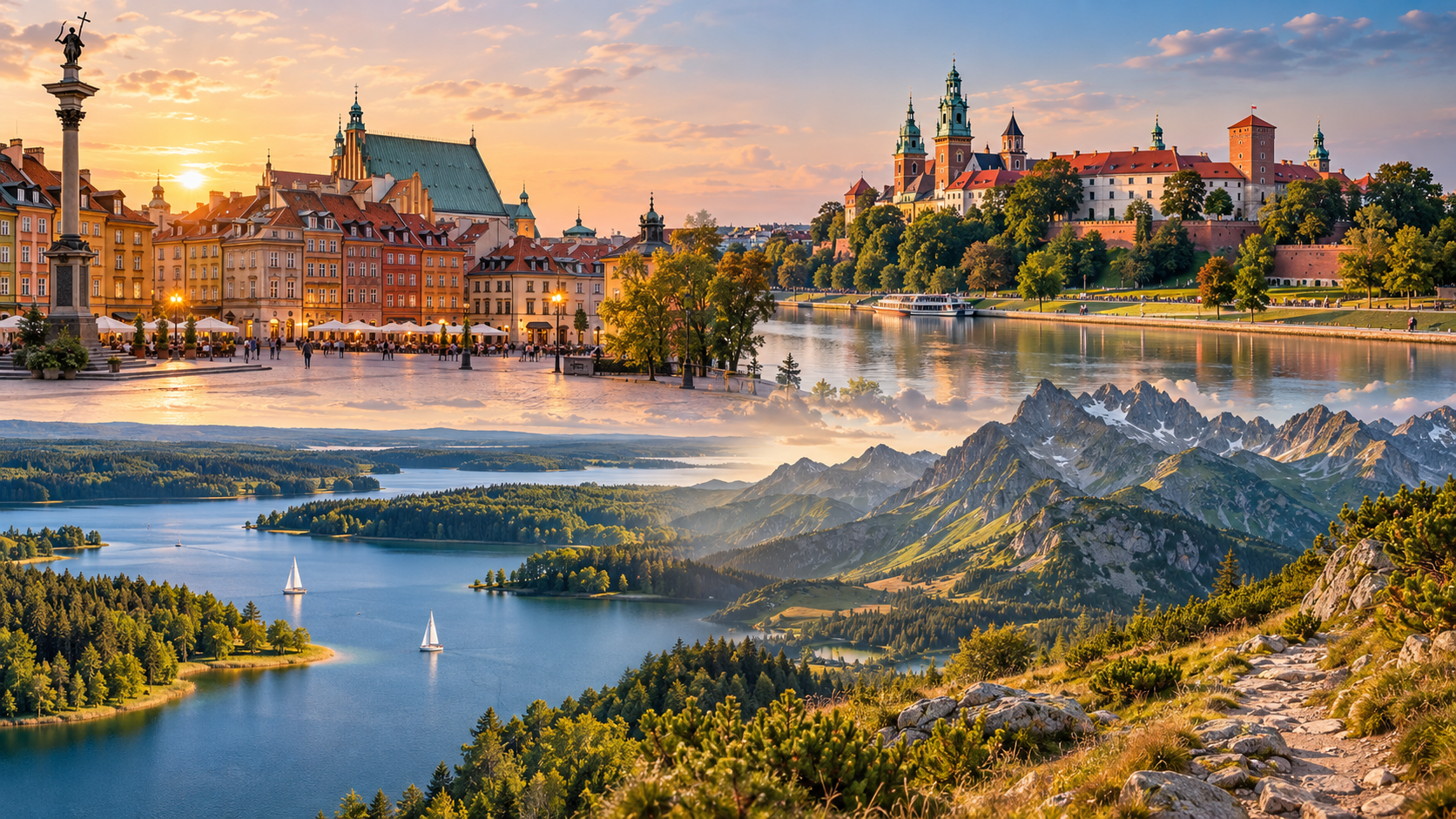
Its travel guide moves through Warsaw, Kraków, the Baltic coast, the Carpathians, Warmia and Masuria, Zakopane and Łódź — building a picture of a country where history and landscape repeatedly overlap.
- Find more news from Poland on our Homepage .
Its verdict is emphatic.
Le Figaro describes Poland as “une destination incontournable d’Europe” — an essential European destination.
The newspaper begins with history.
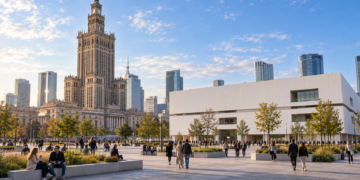
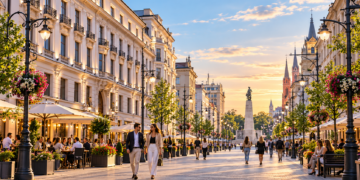
Warsaw’s reconstructed buildings, churches and palaces are presented as central to understanding the capital. That description is supported by one of the strongest international recognitions the city possesses.
UNESCO calls Warsaw’s Historic Centre an exceptional example of the near-total reconstruction of a city deliberately destroyed during war. More than 85% of its historic centre was ruined in 1944 before a systematic post-war rebuilding programme recreated its urban fabric.
Then comes Kraków.
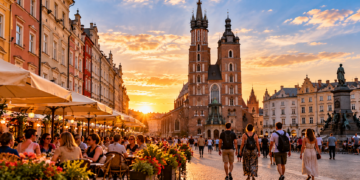
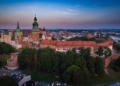
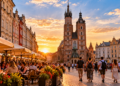
Le Figaro presents the former royal capital not as a static heritage exhibit but as a living city, connecting the medieval Old Town and Kazimierz with contemporary culture, nightlife and food.
Again, the historical significance is difficult to overstate.
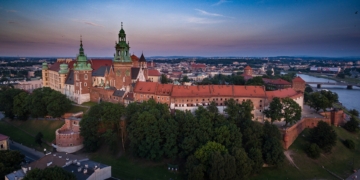
Kraków’s Historic Centre was among the first sites inscribed on UNESCO’s World Heritage List in 1978. UNESCO describes it as one of Europe’s outstanding historic urban ensembles, bringing together the medieval city, Wawel Hill and Kazimierz.
Yet Le Figaro deliberately goes beyond the two cities international tourists know best.
Its guide moves north-east to Warmia and Masuria — a landscape of lakes, rivers and forests — south towards Zakopane and the Tatras, and west into Łódź, where industrial architecture, cinema and contemporary regeneration tell a very different Polish story.
That geographic spread is what makes the French coverage particularly satisfying.
Poland sometimes suffers abroad from an image dominated by its 20th-century history.
That history is unavoidable and essential.
But it exists alongside something much larger: medieval royal centres, reconstructed cities, mountain cultures, industrial heritage, forests, lake districts and more than 500 kilometres of Baltic coastline.
Le Figaro’s guide understands that.
It describes Kraków as continually reinventing itself, highlights Zakopane’s architectural and food traditions, looks at Łódź’s creative industrial landscape and treats Warmia-Masuria as somewhere to travel through slowly rather than merely a backdrop.
You May Also Be Interested In
That gives international readers a much more complete picture.
There is no single version of Poland to discover.
A traveller crossing the country can move from reconstructed Warsaw to royal Kraków, from the Baltic to alpine peaks and from post-industrial Łódź to a lake landscape where settlements are separated by forest and water.
Calling Poland an essential European destination is ultimately an editorial judgment.
But Le Figaro provides plenty of evidence for why it reached it.