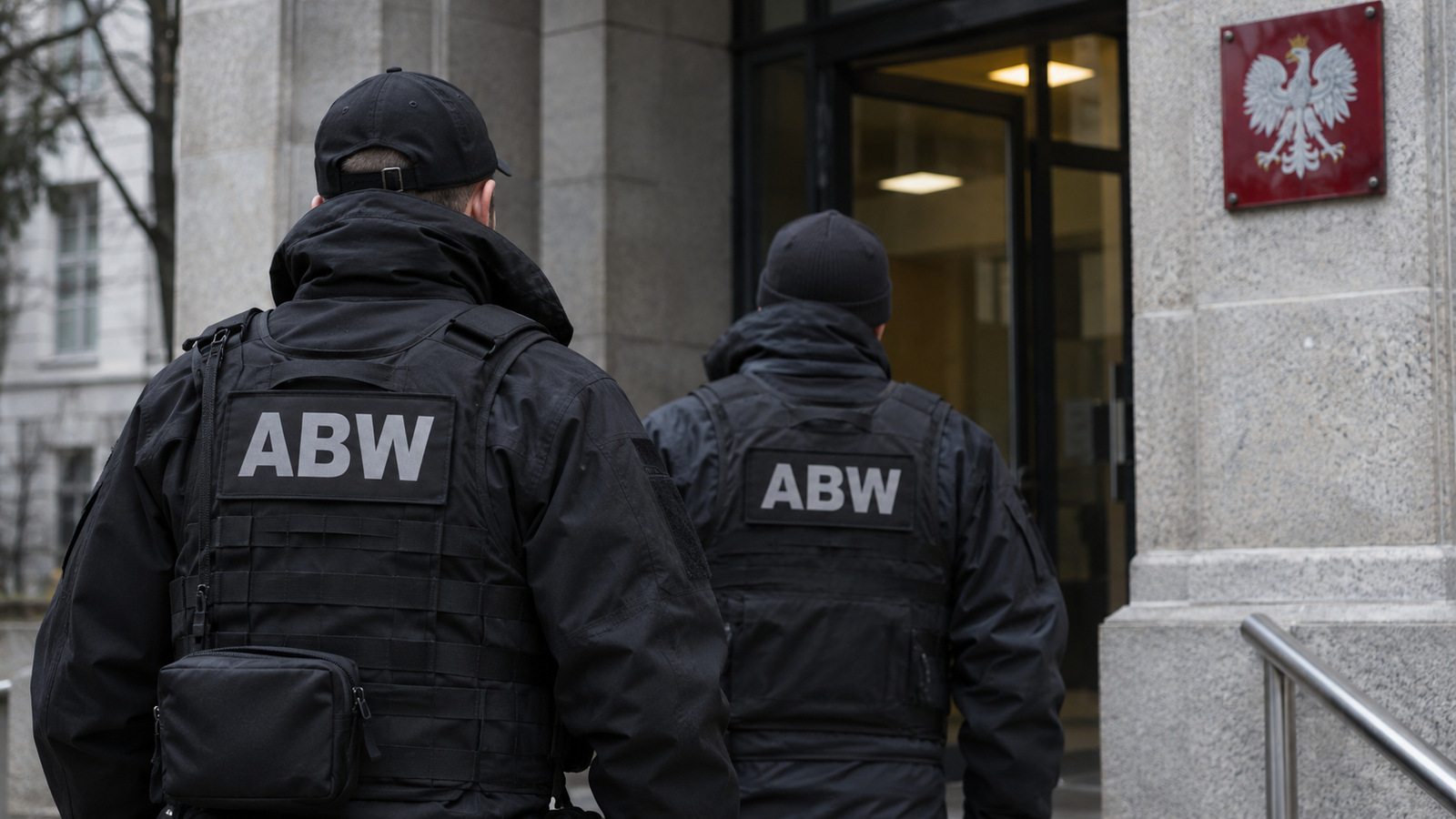
Poland’s Internal Security Agency (ABW) has detained three teenagers suspected of involvement in an international neo-Nazi network and preparations for terrorist offences, with investigators alleging that two of them discussed using an explosive device to attack someone they knew.
The suspects, two 17-year-olds and a 16-year-old, are Polish citizens. Their involvement in the investigation was publicly confirmed on Monday, 16 November, by Tomasz Siemoniak, the government minister responsible for coordinating Poland’s intelligence and security services.
According to investigators, the teenagers’ online activities went beyond spreading Nazi and fascist propaganda and included discussions about explosives, firearms and acts of violence.
- Find more news from Poland on our Homepage .
One of the older suspects has been charged with possessing a pipe bomb and attempting to convert an air rifle into a firearm.
The Regional Prosecutor’s Office in Gdańsk, which is conducting the investigation jointly with ABW, said the evidence indicated preparations for offences that could have endangered multiple lives.
The allegations remain under investigation, and none of the three teenagers has been convicted in connection with the case.
Alleged plan to attack someone in a residential building
One of the most serious findings concerns messages allegedly exchanged between the two 17-year-olds in early August.
According to details released by prosecutors and reported by specialist security publication InfoSecurity24, the correspondence included discussion of constructing an explosive device and potentially detonating it in a residential building.
Investigators believe the intended location was the home of a particular person known to the teenagers.
Prosecutors said such an explosion could have endangered not only the intended target but also other people living in the building.
During a search of premises used by one of the suspects, ABW officers seized chemicals that investigators say could have been used to manufacture explosives.
The same teenager allegedly discussed experimenting with explosive devices and modifying weapons.
In his public announcement on 16 November, Siemoniak said the evidence pointed to steps towards committing terrorist offences, rather than simply expressing extremist views online.
The authorities have not reported that any explosive device was detonated in connection with the alleged residential-building plot.
One teenager accused of possessing a pipe bomb
Prosecutors have detailed separate allegations against the two 17-year-olds.
The first faces three criminal charges relating to alleged activities in September 2026.
They include possession of a pipe bomb, attempting to convert an air rifle into a functioning firearm, and publishing online material promoting ethnic and racial hatred and terrorist violence.
Investigators allege that the explosive device and modified weapon were intended for an international neo-Nazi terrorist organisation.
The District Court for Gdańsk-Południe ordered the teenager into pre-trial detention for two months on 25 September.
The second 17-year-old faces allegations including participation in an organised group intended to commit terrorist offences, possession of Nazi propaganda material for distribution, and preparing to produce an explosive device.
You May Also Be Interested In
Some of the conduct attributed to him occurred before he turned 17.
On 6 November, the same court ordered him into pre-trial detention for three months.
These dates establish that the measures against the two older suspects preceded Monday’s public announcement.
Youngest suspect placed in juvenile facility
The third suspect, aged 16, is being dealt with under Poland’s juvenile justice framework.
According to information attributed to Gdańsk prosecutors by Radio dla Ciebie, investigators believe he participated in the group’s online activities between July and August.
He is alleged to have promoted extremist material, encouraged racist violence and participated in an organisation suspected of preparing terrorist offences.
On 5 November, a family court ordered his placement in a secure juvenile facility.
Prosecutors described this as the most restrictive temporary measure available in the relevant juvenile proceedings.
The detention measures imposed on the three suspects are precautionary decisions made during an ongoing investigation. They do not establish criminal guilt.
Investigation into an international neo-Nazi network
Polish investigators believe the suspects were connected to an international neo-Nazi organisation that promotes violence against groups including Jewish people, immigrants, Black people, LGBT communities and public officials.
The Gdańsk prosecutor’s office said members of the wider extremist network had been implicated in planning attacks in the United States, Germany and Britain.
Prosecutors also described the organisation as having been designated as terrorist or prohibited in several countries, including Britain, Canada and Australia.
The organisation has not been publicly identified by name in the statements examined for this article. Its precise identity and the extent of the Polish suspects’ international contacts therefore remain matters for the investigation.
The case reportedly emerged from the analysis of online communications involving young people interested in the organisation’s activities.
On 24 September, ABW’s Gdańsk office forwarded investigative material to the Regional Prosecutor’s Office.
Authorities subsequently examined digital devices, online conversations and other evidence obtained during searches.
Investigators are now seeking to identify additional people who may have participated in the group’s activities.
Wider concerns about online radicalisation
The investigation highlights the challenges security services face when extremist ideology is spread through online communities and encrypted communications.
In recent months, ABW has described growing concerns about young people encountering extremist material online and the risk that some may progress from consuming propaganda to preparing violence.
The agency’s official discussion of youth radicalisation addresses the importance of examining patterns of behaviour, contacts and concrete preparations rather than treating any individual online post as proof of an attack plan.
Those broader concerns do not establish guilt in the current investigation. They provide context for why Polish counterterrorism authorities are examining extremist online networks involving minors.
The Gdańsk investigation remains open.
Prosecutors say they are continuing to analyse seized communications, electronic devices, recordings and forensic findings to establish the full scope of the alleged plans.
For now, the confirmed procedural position is that two teenagers are in pre-trial detention and a third is in a juvenile facility while investigators examine allegations of terrorist preparation and participation in an extremist network.
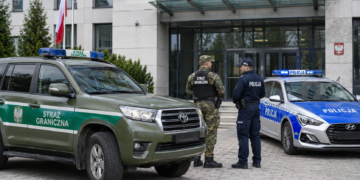
Featured image: Digitally generated editorial illustration showing ABW officers. Not a photograph of the actual operation or the suspects.