Poland has been selected as one of five European countries that will help represent the continent in future negotiations to end Russia’s war against Ukraine, following an agreement reached by European leaders at a summit in Dublin on Friday, 13 November.
The five-country group comprises Poland, Britain, France, Germany and Italy, with European Union institutions also participating in the negotiating team.
The decision was announced by European Council President António Costa following an informal meeting of EU leaders in the Irish capital.
- Find more news from Poland on our Homepage .
According to the European Council’s official statement, the European negotiating team will consist of EU institutions and the E5 group within the Coalition of the Willing.
The announcement gives Poland a formal place in Europe’s agreed representation for the diplomatic process, following concerns in Warsaw that decisions affecting Ukraine and European security could be negotiated without countries on NATO’s eastern flank.
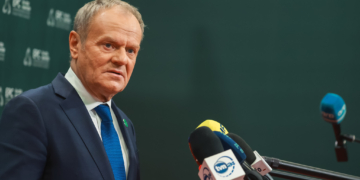
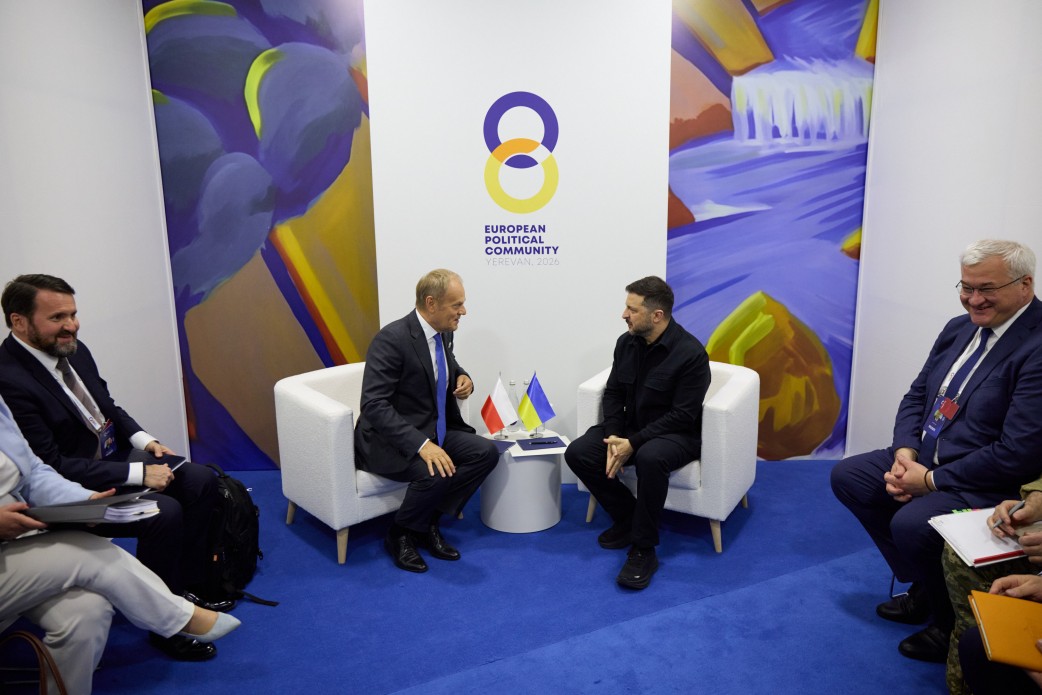
Polish Prime Minister Donald Tusk welcomed the arrangement, saying he had received congratulations over Poland’s inclusion and expected the country to play a key role in the discussions.
Poland joins Europe’s five-country negotiating group
The decision brings together five countries that have played significant roles in European diplomatic and military support for Ukraine.
The group includes Britain, which is outside the European Union, alongside EU members France, Germany, Italy and Poland.
It forms part of the broader Coalition of the Willing, an international grouping involved in discussions over Ukraine’s long-term defence and possible security guarantees.
Rather than appointing one individual to speak for Europe, leaders opted for a coordinated team combining national representatives with EU institutions.
Costa said Europe must speak with a clear and united voice in discussions affecting Ukraine’s future and the continent’s security.
The European Council president stressed that Ukraine alone has the authority to make decisions concerning its territory and sovereignty.
He also outlined the different responsibilities of the European participants.
EU institutions will have a central role in discussions concerning Ukraine’s European future, reconstruction and economic prosperity.
Security guarantees, meanwhile, will be addressed through the Coalition of the Willing in close cooperation with NATO.
According to Reuters’ reporting on the agreement, European officials expect national security advisers from the five countries to participate alongside representatives of the European Commission and European Council.
NATO is also expected to have a role in future discussions, although the exact composition of each negotiating session has not been finalised.
Tusk says Poland will play a key role
Poland’s inclusion follows several days of intense diplomatic activity involving European leaders, Ukrainian President Volodymyr Zelenskyy and American representatives.
Speaking to journalists after Friday’s summit, Tusk said Poland would play a key role in the agreed format.
According to Polish reporting on his remarks, the prime minister welcomed the broad support among European leaders for the E5 group working alongside EU institutions.
You May Also Be Interested In
He also reiterated Poland’s opposition to making unnecessary concessions to Russia or reopening Europe’s established security arrangements on Moscow’s terms.
The decision follows Tusk’s warning a day earlier that Poland would not accept a new European security settlement negotiated without the participation of the countries affected.
In its earlier report on Tusk’s warning, Poland-24 explained Warsaw’s concerns about Russian proposals that could restrict NATO’s military presence in Central and Eastern Europe.
Poland joined NATO in 1999 and has consistently opposed arrangements that would give Moscow influence over the security choices of alliance members.
For Warsaw, inclusion in the European negotiating team provides a channel for expressing those concerns as diplomatic efforts continue.
Polish representative already briefed by US negotiators
The agreement comes after Polish representatives participated in a separate round of consultations with American officials in Dublin late on Thursday, 12 November.
US presidential envoys Steve Witkoff and Jared Kushner had travelled to Ireland following discussions with Russian President Vladimir Putin in Moscow.
In a statement published on X, Tusk confirmed that representatives of Poland, Britain, France, Germany, Italy and EU institutions had joined American officials for discussions at a military airport in Dublin.
He said the Americans had briefed the Europeans on the outcome of their Moscow meeting.
Polish Radio identified Robert Kupiecki as Poland’s representative at the consultations.
The meeting was a diplomatic briefing rather than a formal negotiating session between Russia and Ukraine.
Earlier in the week, representatives of Britain, France, Germany, Italy and EU institutions had also participated in separate consultations in Abu Dhabi.
The European Council’s statement on those discussions confirmed that European participants had coordinated with Ukraine and the United States on possible security guarantees and arrangements for a lasting settlement.
Poland was not listed among the participants in that earlier meeting.
The subsequent Dublin consultations and Friday’s E5 agreement therefore represent a development in Warsaw’s involvement in the diplomatic process.
Russia calls for wider security negotiations
The new European arrangement comes amid disagreement over the scope of negotiations with Moscow.
Russia has called for discussions covering the broader European security system, alongside efforts to end the fighting in Ukraine.
Russian officials have suggested that questions concerning Europe’s security arrangements should be addressed before negotiations turn to some of the specific issues surrounding the war.
European leaders have expressed concern that such an approach could reopen demands previously rejected by NATO.
Before launching its full-scale invasion of Ukraine in February 2022, Moscow demanded restrictions on NATO enlargement and the alliance’s military deployments in countries that joined after 1997.
Those proposals would have directly affected Poland and several other Central and Eastern European countries.
Speaking in Dublin, German Chancellor Friedrich Merz rejected the suggestion that Europe’s security system needed to be renegotiated on Moscow’s terms.
Tusk also warned against allowing discussions over a new security framework to undermine the existing arrangements protecting European countries.
EU foreign policy chief Kaja Kallas expressed concern that debating wider security arrangements could divert attention from achieving a ceasefire in Ukraine.
The Kremlin, meanwhile, indicated that it could accept European involvement in negotiations if the participating countries were genuinely interested in securing peace.
That statement did not amount to confirmation that Moscow had accepted every detail of the newly agreed European negotiating format.
What happens next?
The agreement establishes who will represent Europe in the diplomatic process, but it does not resolve the central disagreements between Russia and Ukraine.
Territorial questions, a possible ceasefire and the nature of future security guarantees remain unresolved.
American negotiators have indicated that European representatives will be included in the next round of discussions.
However, no confirmed date or complete participant list for that meeting has been publicly established.
The precise identity of Poland’s representative in future formal negotiations has also not been announced.
Ukraine will remain a separate negotiating party, with responsibility for decisions affecting its own sovereignty and territory.
The European team is intended to coordinate the interests of countries and institutions that could be involved in security guarantees, reconstruction and the wider settlement.
For Poland, Friday’s agreement provides an agreed place in European diplomacy concerning a conflict that has profound implications for its own national security.
After months of uncertainty over who would represent Europe, Warsaw is now included alongside Britain, France, Germany and Italy in the five-country group preparing to participate in future Ukraine peace negotiations.