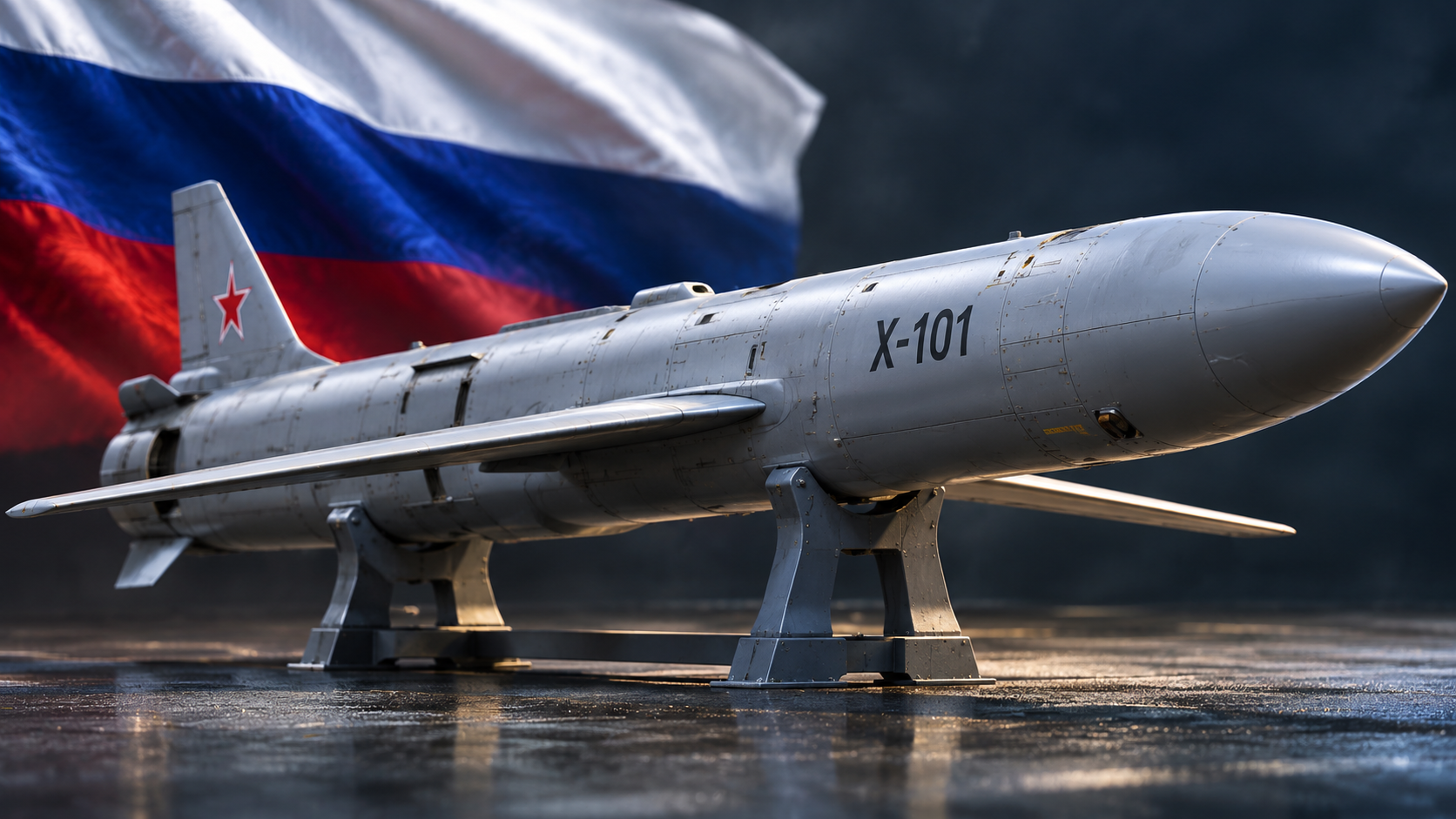
All three objects that entered Polish airspace during Russia’s large-scale attack on Ukraine on Friday have been identified as Russian Kh-101 cruise missiles, Polish prosecutors announced on Sunday, overturning an earlier assessment that one of them was probably a jet-powered drone.
The findings were released on 22 November by the Lublin Regional Prosecutor’s Office following examinations of wreckage recovered at three locations in south-eastern Poland.
Investigators also reported preliminary evidence indicating that the missiles had been manufactured during the final quarter of 2026 at facilities in Dubna, a city in Russia’s Moscow region.
- Find more news from Poland on our Homepage .
The announcement provides the clearest identification yet of the weapons involved in the 20 November airspace incursions, which have prompted consultations between Poland and its NATO allies.
Prosecutors identify three Kh-101 missiles
According to the official statement published by the Lublin Regional Prosecutor’s Office, investigators working alongside military weapons specialists identified Kh-101 missile wreckage at all three locations.
The debris was recovered in Nowy Lipowiec, in Lublin province, and Rudnik nad Sanem and Mołodycz, both in neighbouring Podkarpackie province.
The findings represent an important change from the initial military assessment.
On Friday, Defence Minister Władysław Kosiniak-Kamysz said the three objects appeared to include two Russian missiles and a jet-powered drone.
Poland’s National Security Bureau subsequently identified one Kh-101 missile at Nowy Lipowiec, while describing the object recovered near Rudnik as another probable missile and the wreckage at Mołodycz as most likely belonging to a jet-powered drone.
The prosecutors’ latest examination changes that picture.
All three locations have now yielded wreckage identified as belonging to the same type of Russian air-launched cruise missile.
However, prosecutors emphasised that their findings are based on examinations carried out so far, and that specialist laboratory testing has not yet been completed.
Missiles reportedly manufactured in late 2026
The Lublin prosecutors also disclosed new information about the weapons’ possible production dates and origin.
Their preliminary findings indicate that all three missiles were manufactured during the fourth quarter of 2026 at facilities in Dubna, in the Moscow region of the Russian Federation.
Dubna is associated with Russia’s missile industry, including the Raduga design bureau responsible for developing the Kh-101 family.
The Kh-101 is a long-range, air-launched cruise missile used extensively by Russian forces during attacks against Ukraine.
It is designed to be launched from strategic bombers and to fly at relatively low altitudes towards distant targets, making detection and interception challenging.
The missile is conventionally armed, although the Kh-101 family also includes a separate nuclear-capable variant known as the Kh-102.
The prosecutors’ statement does not establish the precise condition of any warheads carried by the three missiles recovered in Poland.
Nor does it establish their intended targets or the circumstances that caused them to enter Polish airspace.

Those questions remain separate from the identification of the recovered wreckage.
Investigation continues at one location
Prosecutors said evidence-collection operations had been completed at two of the three sites by Sunday evening.
In Nowy Lipowiec, investigators had finished examining the location and securing relevant evidence.
In Rudnik, both investigative and technical operations at the scene had been completed.
However, work at Mołodycz was suspended because of difficult terrain conditions and fading daylight.
The location will remain secured overnight, with investigators scheduled to resume their work on Monday morning, 23 November.
Prosecutors said all recovered missile fragments and forensic evidence would undergo further specialist examination.
The investigation involves military prosecutors from Lublin and Rzeszów, working with Poland’s Military Gendarmerie.
No injuries were reported from Friday’s incidents, although the appearance of Russian missiles on Polish territory has raised questions about the effectiveness of air defence along NATO’s eastern border.
Why the Russian missiles were not intercepted
The incursions occurred during a major Russian missile and drone attack against Ukraine.
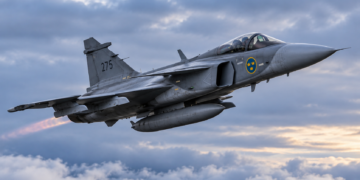
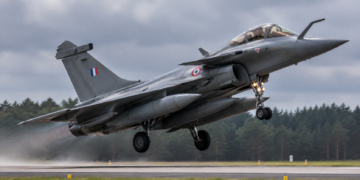
Polish and allied fighter aircraft were deployed, including Polish F-16s and Swedish JAS 39 Gripens operating under NATO command.
As Poland-24 reported in its earlier investigation into the interception attempt, a Swedish fighter pilot had received conditional authorisation to engage a suspected Russian Kh-101 missile.
However, Lieutenant General Ireneusz Nowak, Poland’s operational commander, subsequently explained that severe weather prevented the pilot from identifying the target with sufficient certainty to fire.
The reported authorisation therefore did not result in a missile being shot down.
The new findings identifying wreckage from three Kh-101 missiles provide additional information about the incident, but do not establish whether every object was individually tracked or targeted for interception.
NATO to discuss Russian incursions on Monday
Poland’s government has described the airspace violations as a serious security incident.
Prime Minister Donald Tusk suggested on Friday that the incursions may have been deliberate, pointing to their proximity to an international military exercise taking place in south-eastern Poland.
However, the government’s original account of the incidents did not establish that Russia had intentionally targeted Polish territory.
The missiles entered Poland during an attack directed against Ukraine, and the investigation has not yet determined their intended flight paths or targets.
NATO Secretary General Mark Rutte subsequently reaffirmed the alliance’s commitment to defending Polish territory.
The North Atlantic Council, NATO’s principal political decision-making body, is scheduled to meet in Brussels on Monday, 23 November, to discuss the violations.
Polish Deputy Defence Minister Paweł Zalewski is expected to participate in the meeting, according to Polish Radio’s reporting based on Poland’s representation to NATO.
Poland has been pressing its allies for stronger protection of NATO’s eastern flank, particularly against missiles and drones launched during Russian attacks on neighbouring Ukraine.
The latest prosecutorial findings establish a more serious picture of Friday’s incident than initially understood: rather than two missiles and a probable drone, Polish investigators have now identified debris from three Russian cruise missiles.
The precise circumstances of their arrival in Poland, and whether any of the weapons were deliberately directed towards Polish territory, remain unresolved.