Polish investigators have ruled out a fault in the electrical installation as the cause of a fire that destroyed a 359-year-old wooden church at an open-air museum in southeastern Poland. However, prosecutors say they still do not know what started the blaze, which consumed the historic building and its interior furnishings in August.
The Regional Prosecutor’s Office in Krosno, which oversees the investigation, announced the new forensic findings on 14 October, almost two months after the Church of St Nicholas was destroyed at the Museum of Folk Architecture in Sanok.
An expert specialising in electrical engineering and power systems concluded that a malfunction of the church’s electrical installation had not caused the fire. The opinion did not establish an alternative explanation.
- Find more news from Poland on our Homepage .
Prosecutors are awaiting a separate assessment by a fire-investigation specialist, whose report is not expected before the beginning of 2027.
The finding narrows one aspect of the investigation into the destruction of an important example of Poland’s traditional wooden religious architecture. It does not establish whether the fire was accidental, deliberate or caused by another factor.
A centuries-old church lost in a single night
The fire broke out during the night of 15–16 August 2026 at the Museum of Folk Architecture in Sanok, in Poland’s Subcarpathian region near the Slovak border.
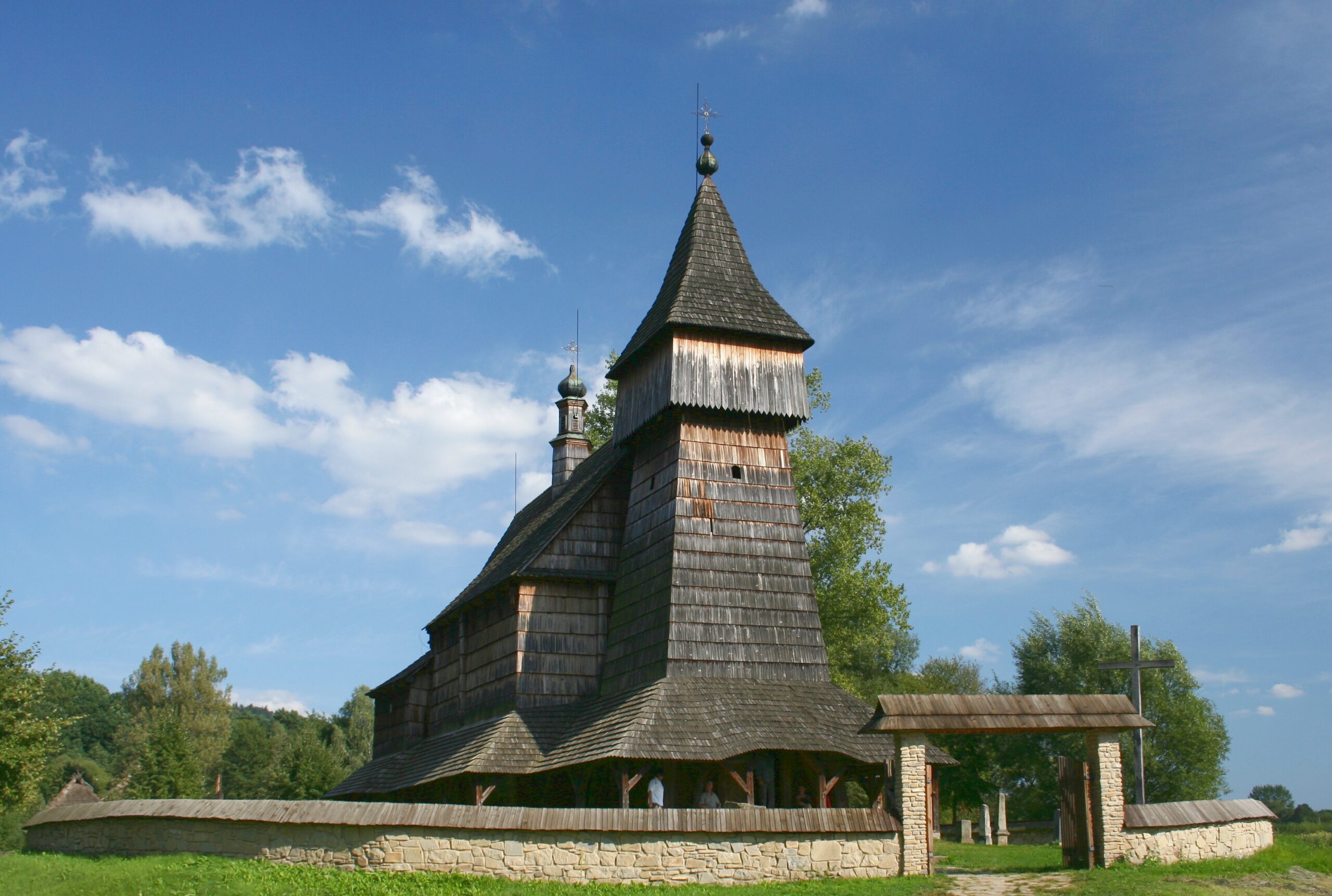
The blaze completely destroyed the wooden Church of St Nicholas, originally from the village of Bączal Dolny near Jasło, together with its historic furnishings.
The church dated to 1667 and had been relocated to the museum, where it formed part of an extensive collection of historic rural buildings representing the architectural traditions of southeastern Poland.
According to the museum’s architectural documentation, the building was constructed principally from fir timber, stood on a stone foundation and was covered with wooden shingles.
Its distinctive features included a separate wooden tower, covered external walkways and architectural details showing late Gothic influences. The museum notes that some of these features may have originated in an older structure incorporated into the building during reconstruction.
The interior contained religious artwork and furnishings spanning several centuries, from the 16th to the 19th century.
Among the losses were historic altars and an organ that museum director Marcin Krowiak said was older than the church itself and remained operational before the fire.
The loss extended beyond the church. A neighbouring wooden barn was also destroyed, while a historic cottage from Niebocka suffered substantial fire damage.
Firefighters battled to save surrounding historic buildings
The fire was detected by the museum’s fire-alarm system, which alerted security staff shortly before 1am.
When emergency crews arrived, the church was already engulfed in flames.
The Subcarpathian State Fire Service reported that more than 120 professional and volunteer firefighters from 29 fire-protection units took part in the operation.
One firefighter was injured.
Emergency teams had to protect neighbouring structures, many of which were built from timber and roofed with traditional shingles or thatch, making the spread of flames particularly dangerous.
Firefighters managed to prevent the blaze from devastating a much larger section of the museum.
The museum subsequently reopened to visitors on 20 August, although the area directly affected by the fire remained off limits at that time.

Criminal investigation continues, but cause remains unknown
The investigation was opened under Article 163 of Poland’s Criminal Code, which concerns causing an event, including a fire, that endangers numerous people or property on a large scale.
The investigation’s legal classification does not itself establish that the blaze was deliberately started or that any particular person was responsible.
In its original announcement on 18 August, the prosecutor’s office confirmed that investigators had examined the scene with a fire specialist.
Since then, investigators have secured documentation, questioned witnesses and commissioned expert assessments.
The latest findings remove a malfunction of the building’s electrical installation as the identified explanation, but prosecutors have not publicly established another cause.
The Krosno prosecutor’s office said it would not release further details while the investigation remained underway.
Museum considers reconstruction or replacing the church
The loss has also prompted discussions about how to restore the historic section of the museum.
Following the fire, museum director Marcin Krowiak outlined two possible approaches: reconstructing the destroyed church using surviving architectural records or acquiring another historic wooden church and relocating it to Sanok.
As reported by the Polish Press Agency in August, the museum possesses detailed architectural documentation that could support a reconstruction.
The authorities of the Subcarpathian region also declared financial support for restoring the affected part of the museum. An official regional executive resolution dated 17 August expressed the intention to support the reconstruction of the ethnographic park.
However, the amount of funding and the final form of the replacement project had not been determined in the announcements reviewed.
A reconstruction could restore the church’s appearance, but it could not recover the original historic timber, craftsmanship or furnishings lost in the blaze.
The museum has also been examining debris from the site and securing surviving elements, including metal fittings that may have historical or conservation value.
No final decision on reconstruction or relocation has been verified.
For now, two important questions remain unresolved: what caused the fire, and how the museum will replace one of its most significant lost monuments.
The next major development in the criminal investigation is expected to be the fire specialist’s report, which prosecutors say will arrive no earlier than the beginning of 2027.
Featured photograph: Przykuta / Wikimedia Commons, licensed under CC BY-SA 4.0. Archival photograph taken in 2008, before the fire.