Poland has expelled two Ukrainian nationals following separate drink-driving incidents, imposing five-year bans on their return to Poland and other countries in Europe’s Schengen area, the Polish Border Guard has confirmed.
The men, aged 33 and 39, were removed after police requested immigration proceedings over offences involving alcohol readings of 0.6 and 3.33 per mille respectively.
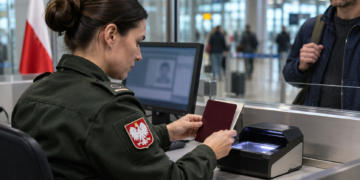
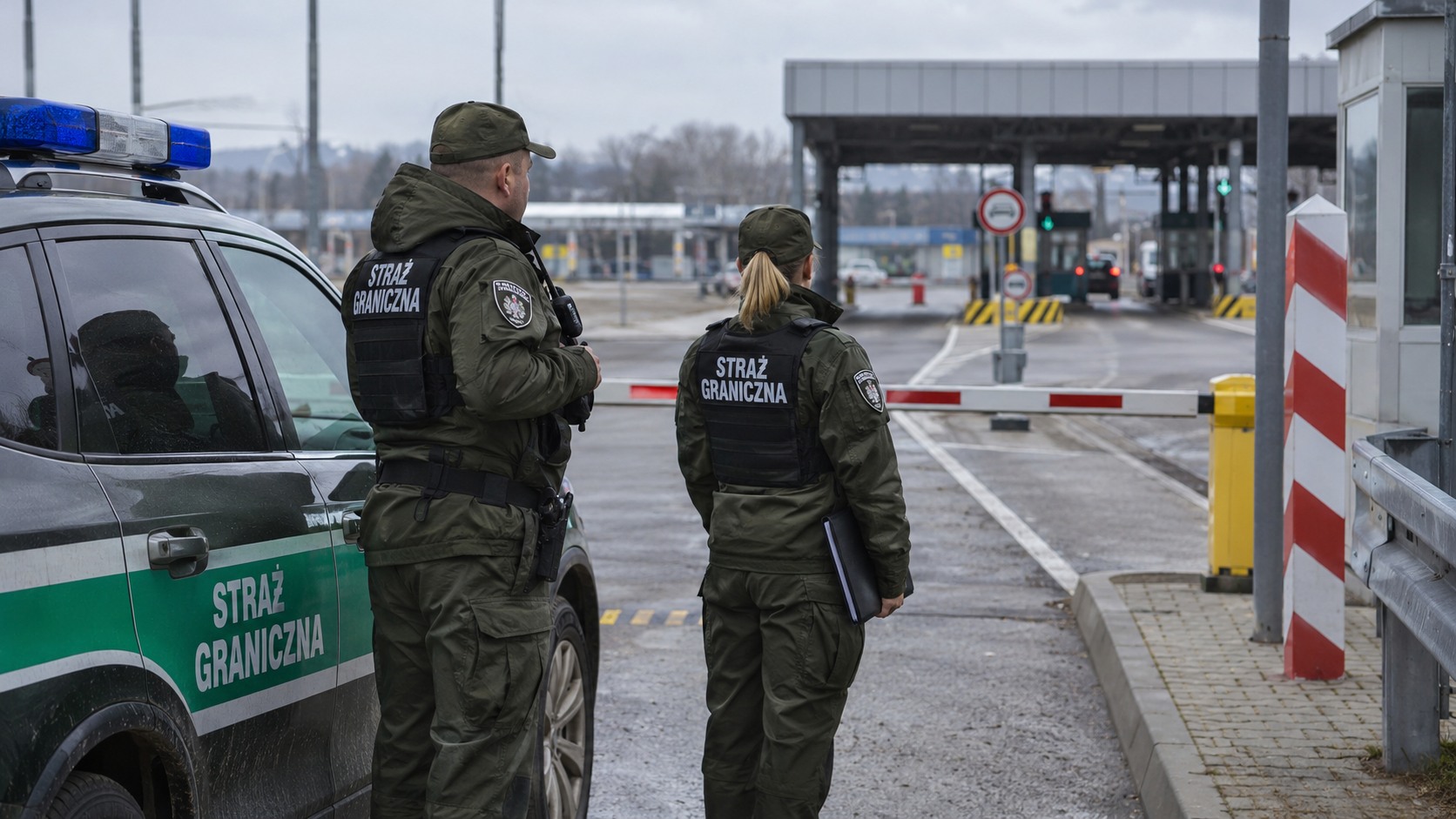
Both were physically escorted to Poland’s border with Ukraine and handed over to Ukrainian border authorities.
- Find more news from Poland on our Homepage .
The removals were confirmed in a statement published by the Nadbużański Border Guard on 3 November.
The Border Guard said the men’s continued presence in Poland had been assessed as a threat to public safety and order.
Two drink-driving cases investigated by police
The first case involved a 33-year-old Ukrainian national who had been detained for driving a car while intoxicated.
A breathalyser test indicated an alcohol concentration of 0.6 per mille.
Following a request from the commander of the District Police Headquarters in Hrubieszów, Border Guard officers stationed in the town issued an administrative decision requiring the man to return to his country of origin.
The second case involved a 39-year-old Ukrainian national whose alcohol reading was considerably higher.
According to the Border Guard, he had been driving a motor vehicle with an alcohol concentration of 3.33 per mille.
The commander of the Municipal Police Headquarters in Siedlce requested immigration proceedings against him.
Officers from the Border Guard post in Biała Podlaska subsequently issued a return decision.
The two cases were handled separately, but both resulted in enforced removal from Poland.
Five-year ban covers the Schengen area
The consequences extended beyond Poland’s borders.
In both cases, authorities imposed a five-year prohibition on returning to Poland and entering other countries within the Schengen area.
The Schengen area covers most European Union member states, alongside several associated European countries, allowing movement between participating countries without routine internal border checks.
An entry ban covering this area can therefore prevent an affected individual from travelling to multiple European countries during the period of the restriction.
The Border Guard confirmed that both men had already been escorted to the Polish-Ukrainian border and transferred to Ukrainian authorities when the announcement was published.
These were completed removals, rather than outstanding administrative orders requiring voluntary departure.
However, the statement did not provide the precise dates on which the men were transported across the border.

It also did not establish the outcome of any separate criminal proceedings arising from the drink-driving incidents.
The administrative decisions requiring the men to leave Poland should therefore be distinguished from criminal convictions or sentences.
Police referrals can lead to immigration proceedings
The cases illustrate how offences involving road safety can have consequences for foreign nationals beyond fines, driving disqualifications or other penalties imposed through the criminal justice system.
Poland’s Border Guard may conduct return proceedings when the competent authorities determine that a foreign national’s continued presence presents a threat to public safety or order, subject to the applicable immigration rules and individual circumstances.
In these two cases, local police commanders requested intervention by the Border Guard following the drink-driving incidents.
Border Guard officers subsequently assessed the cases and issued the return decisions.
The resulting five-year bans mean the men cannot ordinarily return to Poland or the wider Schengen area during that period.
The measures concern these two individuals and do not mean that every drink-driving offence committed by a foreign national automatically results in deportation.
Another Ukrainian drink-driver expelled in November
The two cases are not the only recent examples of Polish immigration enforcement following drink-driving incidents.
On 19 November, the same Border Guard division announced the removal of a separate Ukrainian national.
That case involved a 60-year-old lorry driver who was stopped during border clearance at Dorohusk.
A test recorded an alcohol concentration of 1.97 per mille, and he was charged with driving while intoxicated.
Following a police request, the Border Guard issued a return decision without allowing a period for voluntary departure.
He was transferred to Ukrainian border authorities and also received a five-year ban covering Poland and other Schengen countries.
The three removals were separate enforcement cases, reported in two official announcements on 3 and 19 November.
Together, they demonstrate that Poland’s authorities are using immigration procedures in cases where foreign nationals have been assessed as posing public-order risks following serious road-safety incidents.