The European Union is tightening its approach to visa applications from Russian citizens and seeking to bar current and former Russian combatants from entering its territory, as Brussels unveils a sweeping new sanctions package against Moscow. The measures, announced on Monday, 23 November, also include plans to disconnect 60 additional Russian banks from the SWIFT international payment network.
European Commission President Ursula von der Leyen presented the proposals as part of the EU’s 22nd sanctions package against Russia since its full-scale invasion of Ukraine in February 2022.
The latest measures place particular emphasis on restricting access to Europe for people with links to Russia’s military operations, while recommending significantly tougher scrutiny of Russian tourists seeking short-term visas.
- Find more news from Poland on our Homepage .
However, Brussels has not introduced a blanket prohibition on travel by Russian citizens. The approach distinguishes ordinary applicants, people travelling for essential reasons and individuals who have participated in Russia’s war against Ukraine.
Russian tourist visas face much tougher scrutiny
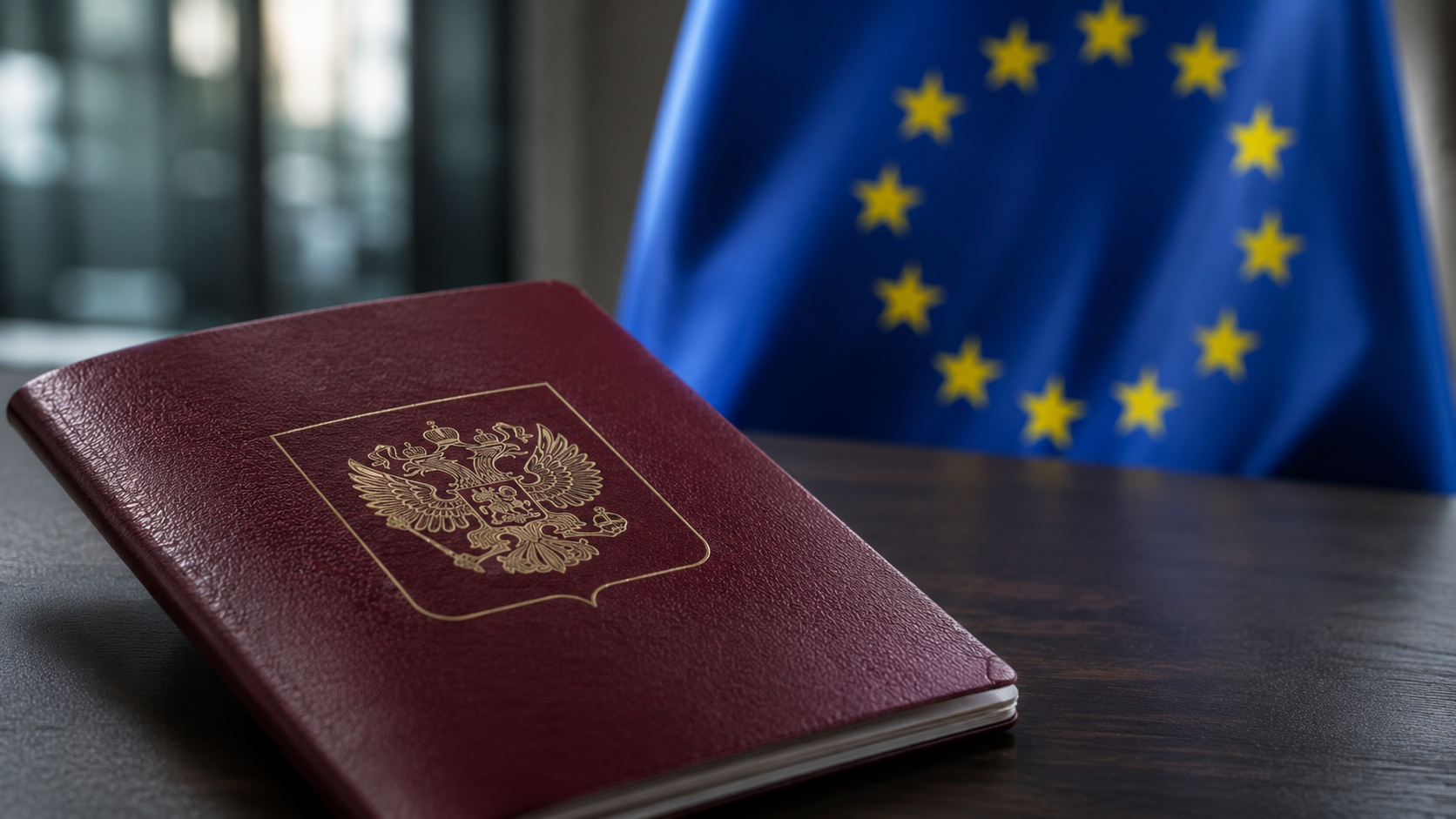
The European Commission has adopted revised guidelines recommending a very strict approach to tourist visa applications from Russian citizens.
Under the Commission’s updated guidance, national authorities are encouraged to carry out more extensive security checks before deciding whether to grant permission to travel.
The recommendations reflect concerns about espionage, sabotage, disinformation and other hostile activities attributed to Russian operatives in Europe.
The Commission also recommends that member states stop recognising non-biometric Russian passports because of document-fraud and security concerns.
Border guards are advised to conduct thorough individual assessments of Russian nationals entering the Schengen area, regardless of the country from which they arrive.
Such checks should include interviews, fingerprint verification and searches of the Schengen Information System, the database used by participating European countries to share security and border information.
Where a traveller is refused entry on public-security grounds, national authorities are encouraged to record the decision in the system to help prevent attempts to enter through another border crossing.
These are stricter screening recommendations rather than an automatic refusal of every Russian visa application.
EU seeks entry ban for Russians who fought in Ukraine
A separate and more far-reaching proposal would prohibit entry by individuals who have fought for Russia in its war against Ukraine.
The Commission wants the ban to cover current and former members of the Russian armed forces, as well as associated armed groups involved in combat operations since 24 February 2022.
The proposed restrictions would also apply to combatants of other nationalities who served in the relevant Russian forces.
Von der Leyen argued that former Russian combatants could present security risks to European countries.
In her statement announcing the sanctions package, she described the proposed exclusion as part of the EU’s response to an escalation in hostile activities on European territory.
The legal and political basis for such a ban was already established when EU governments adopted their 21st sanctions package in July 2026.
The Commission has now prepared additional guidance and documentation intended to help national authorities identify applicants who have participated in combat operations.
These include questionnaires about military service, self-declarations and requests for military identification documents where appropriate.


The European Commission and EU foreign policy chief Kaja Kallas have proposed activating the ban, but the Council of the European Union must still decide when it enters into force.
Until that decision is made, the new combatant-specific prohibition should not be treated as an operative EU-wide entry ban.
Does this mean Russians will no longer be able to visit Europe?
Not entirely.
The updated approach substantially increases scrutiny of Russian applicants, particularly those seeking visas for tourism, but it does not automatically exclude every Russian citizen.
The Commission maintains safeguards for individuals who may have legitimate reasons to travel or who require international protection.
These include dissidents, human rights defenders, independent journalists and people travelling for essential family reasons.
European authorities must continue to consider relevant applications according to applicable visa rules and legal safeguards.
The latest announcement builds on restrictions introduced since Russia’s full-scale invasion of Ukraine.
In September 2022, the EU suspended its visa facilitation agreement with Russia, making applications more expensive, slower and subject to greater scrutiny.
In November 2025, the Commission adopted further rules that, in principle, prevent Russian nationals from receiving multiple-entry visas, meaning applicants generally have to seek a new visa for each visit.
The European Commission’s overview of visa measures explains the existing restrictions and the distinction between ordinary travel and essential journeys.
The new November 2026 guidelines are therefore another tightening of a system that has already become considerably more restrictive.
What do the changes mean for Poland?
Poland has maintained some of the EU’s strictest entry restrictions on Russian citizens since September 2022.
Its national regulations already limit entry by Russian travellers, including those arriving for tourism, while preserving exceptions for specified groups.
The Polish Border Guard’s official guidance sets out the categories of travellers who may still qualify for entry.
For Poland, the Commission’s proposals would reinforce an existing national policy rather than introduce restrictions on Russian tourism for the first time.
The proposed EU-wide combatant ban could also establish a more coordinated approach among member states to screening individuals who have served in Russia’s war.
That matters because the Schengen system involves shared external-border arrangements and extensive travel between participating countries.
A refusal issued by one country may have wider consequences when relevant security information is recorded and shared through European databases.
However, the practical effect will depend on the final legal measures adopted and how national authorities implement the updated guidance.
Sixty Russian banks could lose access to SWIFT
Beyond visa restrictions, the Commission is proposing another major expansion of financial sanctions.
Under the 22nd package, approximately 60 additional Russian banks would face transaction restrictions and removal from SWIFT, the international messaging system used by financial institutions to facilitate cross-border payments.
The proposed measures are intended to make international transactions more difficult for Russian institutions and reduce their access to financial services that could support the country’s war economy.
Brussels also wants to extend restrictions on cryptocurrency platforms and payment networks used to circumvent existing sanctions.
The Commission has launched a dedicated Crypto Sanctions Task Force to strengthen enforcement and coordinate action against intermediaries helping Russian businesses avoid restrictions.
These financial measures have not yet entered into force. Their adoption depends on agreement among EU member states.
Further restrictions on energy, shipping and sport
The package also proposes adding more than 70 vessels to sanctions targeting Russia’s so-called shadow fleet, the network of tankers used to transport Russian oil.
European companies would face wider prohibitions on providing services connected with the construction, operation or repair of Russian energy infrastructure, including refineries.
For the first time, the proposed expansion would explicitly cover electricity-related services.
The Commission also wants to exclude Russian national teams and athletes competing under the Russian flag from sporting events held in the EU, while restricting official Russian symbols and financial support from Russian sponsors to European sporting and cultural organisations.
These measures form part of the same proposed sanctions package and remain subject to the necessary adoption procedures.
What happens next?
The Commission’s announcement involves measures at different stages of the EU decision-making process.
The revised visa guidelines have already been adopted by the Commission. They provide recommendations and implementation guidance for national authorities.
The proposed entry ban for Russian combatants requires a further Council decision before it becomes operational.
The wider 22nd sanctions package, including the restrictions on banks, energy services and shipping, requires agreement among EU member states.
Poland has pressed for the package to be agreed before December, although negotiations may result in amendments to individual proposals.
For Russian citizens seeking to travel to Europe, the immediate change is the Commission’s recommendation of tougher screening, particularly for tourism.
For people who have fought in Russia’s war against Ukraine, the EU is moving towards a more explicit prohibition on entry.
And for the Russian financial system, the latest proposals signal another attempt to reduce access to international banking services.
Whether the measures achieve their intended effect will depend not only on their adoption but also on consistent enforcement across the European Union.