A Polish diplomat was within the danger zone of a Russian drone during an attack on Kyiv that damaged several foreign diplomatic premises, Polish Foreign Minister Radosław Sikorski has revealed. The incident occurred on Thursday, 19 November, during Russian strikes on the Ukrainian capital that also killed at least one person.
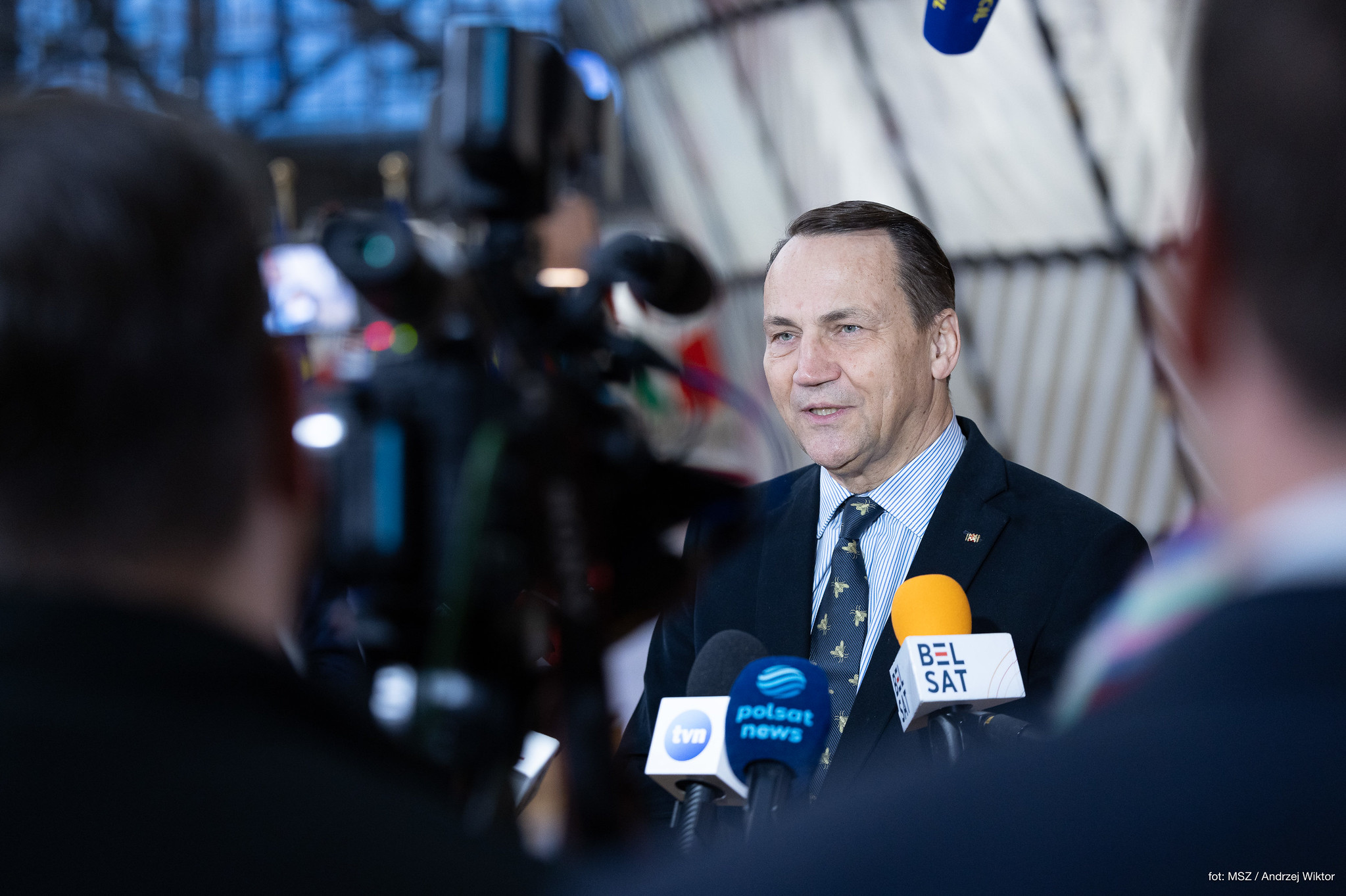
Sikorski disclosed the incident on Saturday, 21 November, while addressing journalists at Poland’s Ministry of Foreign Affairs in Warsaw.
Speaking during an open day organised to mark Poland’s Foreign Service Day, he described the risks facing Polish diplomatic personnel working in Ukraine.
- Find more news from Poland on our Homepage .
“Two days ago, debris damaged several embassies in Kyiv,” Sikorski said, adding that a Polish diplomat had been “literally within the strike zone of a Russian drone”.
His remarks were reported by the Polish Press Agency.
The minister did not identify the diplomat or disclose where the individual was located when the drone approached or struck.
No injuries to Polish diplomatic personnel were reported in the accounts examined.
Sikorski did not say that the Polish Embassy itself had been hit, nor did he suggest that the diplomat had been deliberately targeted.
Russian drones damage diplomatic buildings in Kyiv
The incident took place during a series of Russian drone attacks on Kyiv on 19 November, which affected residential neighbourhoods, diplomatic buildings and historic sites.
The Dutch and Austrian embassies were among the diplomatic missions reporting damage.
Dutch Foreign Minister Tom Berendsen confirmed that a projectile struck behind the Netherlands’ embassy building, causing minor damage. He said Dutch diplomatic staff were unharmed.
Austria’s Foreign Minister Beate Meinl-Reisinger also confirmed damage to the Austrian Embassy and said her colleagues were safe.
According to reporting by The Kyiv Independent, the attacks damaged buildings, vehicles and other property in central Kyiv.
Ukrainian Foreign Minister Andrii Sybiha separately reported that drone debris had fallen onto the grounds of Ukraine’s Ministry of Foreign Affairs.
Debris also landed within the Brazilian Embassy compound, although Ukrainian authorities said the Brazilian mission suffered no structural damage and nobody was injured there.
The strikes also damaged parts of St Volodymyr’s Cathedral, a major religious and historical landmark in the Ukrainian capital.
Ukrainian authorities initially reported one person killed and five injured during the attacks.
The precise circumstances of the drone incident involving the Polish diplomat have not been independently established.
Poland refuses to withdraw diplomats from Kyiv
Sikorski’s account follows repeated Russian warnings directed at foreign diplomatic personnel working in Ukraine.
In October, Russia called on diplomats to leave Kyiv, prompting an official response from Warsaw.


In its statement of 4 October, Poland’s Foreign Ministry accused Moscow of attempting to intimidate European governments and undermine their support for Ukraine.
The ministry stated that Russia’s threats would not change Warsaw’s position and confirmed that Poland intended to maintain the operation of its embassy in the Ukrainian capital.
The declaration reflected Poland’s determination to continue its diplomatic presence despite the dangers posed by Russian attacks.
Poland had issued a similar warning in May, after Moscow made threats concerning possible strikes on military and government facilities in Kyiv.
In that earlier Foreign Ministry statement, Warsaw said any strike on Poland’s diplomatic missions would be regarded as a deliberate and intentional hostile act.
The ministry’s warning concerned the protection of Polish diplomatic facilities generally. It does not establish that the November incident was an intentional attack against Poland.
Diplomats working under constant threat
Diplomatic personnel in Kyiv continue to operate in a capital exposed to regular Russian missile and drone attacks.
Embassies provide communication channels between governments, support their citizens and help coordinate political, humanitarian and security cooperation.
However, diplomatic status does not remove the physical risks created by attacks on surrounding neighbourhoods.
Foreign missions have repeatedly had to respond to air-raid alerts and damage caused by nearby strikes.
The threat was illustrated particularly starkly on 19 November when multiple diplomatic premises were affected during the same series of attacks.
The presence of foreign embassies in Kyiv also raises questions about the potential diplomatic consequences if foreign personnel were seriously injured or killed.
International law provides special protections for diplomatic missions, but those protections do not make them immune from the effects of aerial warfare.
A dangerous week for Polish security
Sikorski’s disclosure came amid heightened security concerns in Poland following separate Russian aerial attacks against Ukraine.
During the early hours of Friday, 20 November, missiles and a suspected drone entered Polish airspace and came down in the country’s south-east.
The Polish government said the incidents demonstrated the dangers posed by Russia’s continuing war against Ukraine.
Polish and allied military aircraft were mobilised, while NATO Secretary General Mark Rutte visited Warsaw on Saturday to reaffirm the alliance’s commitment to defending Polish territory.
The Polish airspace violations occurred the day after the Kyiv attack involving the diplomat. They were separate incidents.
Speaking on Saturday, Sikorski emphasised that Polish diplomats face an increasingly difficult working environment because of the war taking place immediately beyond Poland’s eastern border.
His account offers a direct example of how Russia’s aerial attacks on Ukraine also place representatives of other European countries at risk.
For Warsaw, the immediate priority remains maintaining diplomatic operations in Ukraine while responding to the wider security implications of Russia’s military activities.
The Foreign Ministry has not announced any change to the operation of its Kyiv embassy following the latest incident.