

Europe has no shortage of celebrated mountain destinations.
For many international travellers, however, “mountain holiday” still instinctively means the Alps.
BBC Travel has made a strong case for looking further east.
- Find more news from Poland on our Homepage .
A feature published in August presents Poland’s Tatra Mountains as a serious alternative to better-known Alpine regions, opening with the combination that explains much of their appeal: “Breathtaking alpine scenery and budget prices.”
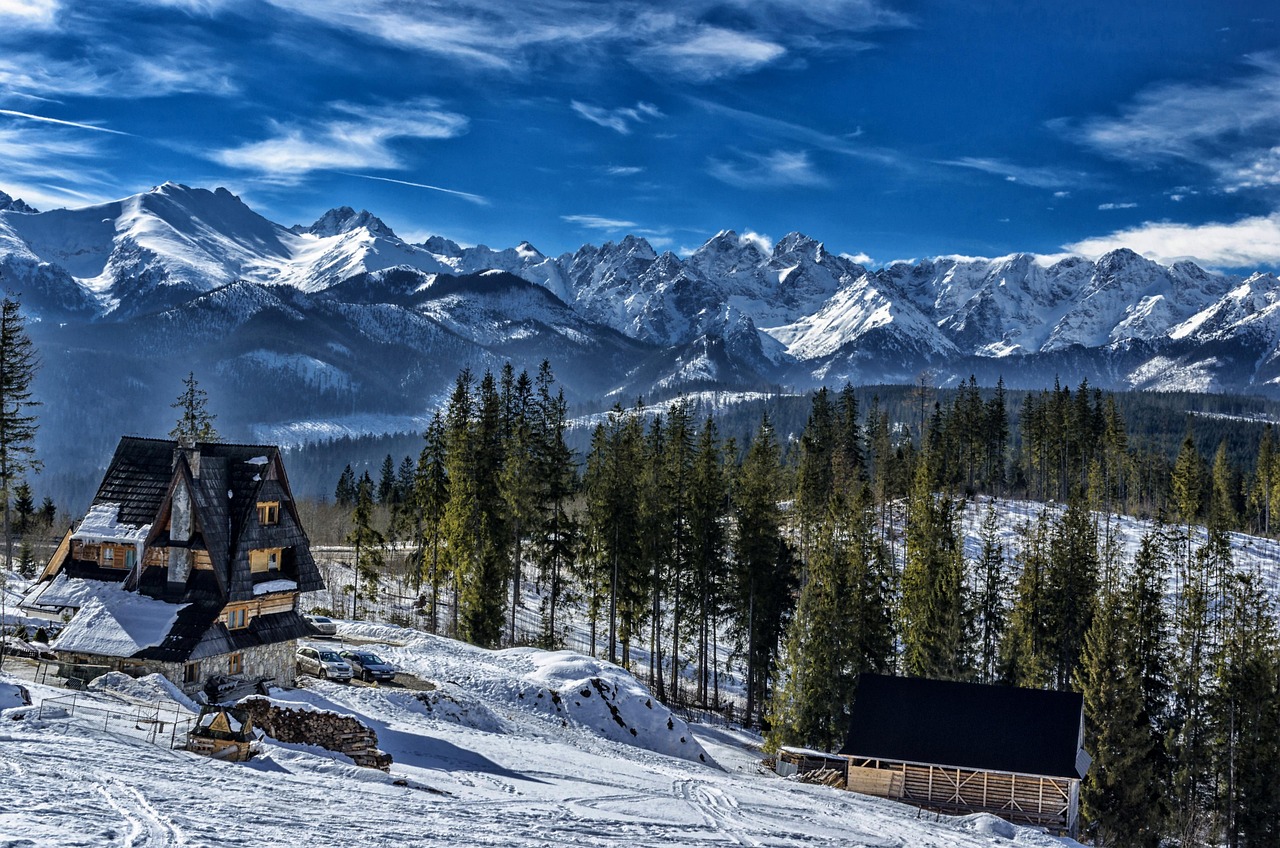
That is not travel-writing exaggeration when it comes to the landscape.
The Tatras form the highest part of the entire Carpathian mountain chain. UNESCO’s transboundary Tatra Biosphere Reserve describes a landscape containing rocky peaks, alpine meadows, glacial lakes, waterfalls, canyons, limestone and dolomite formations spread across the Polish-Slovak border.
This is genuine high-mountain terrain.
The BBC writer based herself in Zakopane and used the town as a hub for trails into Tatra National Park, including the route towards Morskie Oko.
The article also highlights something visitors unfamiliar with southern Poland may not expect: exploring the region without hiring a car can be relatively straightforward.
Local minibuses connect Zakopane with popular trailheads, while taxis and ride-hailing services provide another option. That matters because reducing transport costs is part of what made the trip work for the group featured in the article.
Then there is the most obvious comparison with the Alps: price.
The BBC calculated that five nights in the group’s premium chalet — including facilities such as a sauna and terrace — worked out at around PLN 1,079.50 per person at the time of the trip. It also found inexpensive local transport and food while moving between Zakopane and hiking routes.
Individual prices will naturally change, particularly in a resort as popular domestically as Zakopane.
But the broader value argument is credible.
Eurostat’s comparative figures place Poland’s general consumer price level well below the EU average, helping explain why accommodation, restaurants and transport can remain relatively attractive to travellers arriving from Western Europe.
Yet reducing the Tatras to a cheap alternative would miss the best part of the BBC story.
People do not hike ten kilometres uphill to Morskie Oko merely because the coffee costs less when they get there.
They go because the destination is extraordinary.
The glacial lake lies enclosed by some of Poland’s highest mountains, while elsewhere the Tatras offer forests, caves, waterfalls, high ridges and routes ranging from relatively accessible valley walks to demanding exposed trails.
Poland does not possess the scale of the entire Alpine arc.
You May Also Be Interested In
It does not need to.
The Polish Tatras are compact, dramatic and distinctive in their own right.
What BBC Travel has done is place them in a comparison international readers immediately understand — and then show that Poland holds up remarkably well.