Polish Prime Minister Donald Tusk has warned that Russia may attempt hybrid drone and missile strikes against countries supporting Ukraine, including Poland, while presenting what he described as the most likely security scenario for the coming months.
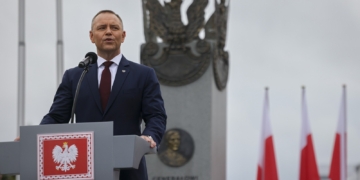
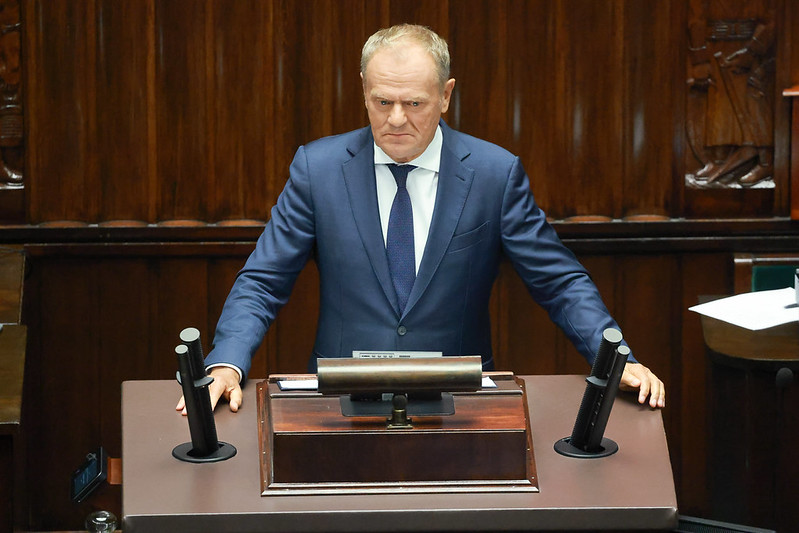
Speaking unexpectedly from the Sejm rostrum on Thursday, Tusk said the government wanted the public to understand the risks it believes are developing as the war enters what Polish intelligence assesses could be its most critical phase yet.
“I want to present to the public the most probable scenario for the next few months,” Tusk said, adding that it involved potentially serious events requiring “focus, seriousness and mental readiness” from the country.
He stressed that the scenario was not certain and that other outcomes remained possible.
According to Tusk, Polish intelligence assessments indicate that late autumn and winter could be the most critical period so far in Russia’s full-scale war against Ukraine.
He said Moscow appeared to be pursuing a strategy aimed at inflicting maximum damage on Ukraine’s economy and logistics while increasing the frequency and intensity of strikes on major cities and transport infrastructure.
The prime minister also highlighted the increasing use of jet-powered drones, including in recent attacks close to the Polish border.
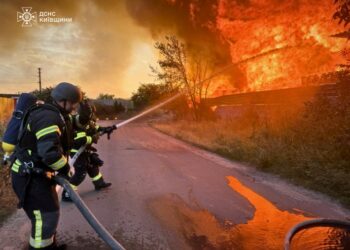
Russian strikes have repeatedly hit targets in western Ukraine in recent days, prompting Poland to scramble military aircraft and strengthen security measures around border infrastructure. On Thursday, Tusk said another Russian attack had taken place near Yahodyn, close to Poland’s Dorohusk crossing, triggering Polish air-force activity.
Intelligence warns of hybrid strikes on NATO states
The most serious element of Tusk’s speech concerned what he said intelligence services believed could be Russian plans involving NATO countries.
“In the assessment of the intelligence services, the Russian plan also includes hybrid drone and missile strikes on countries supporting Ukraine, including Poland,” Tusk said.
He said warnings about such possibilities had circulated previously but described the current intelligence as increasingly consistent and convincing.
Tusk said such attacks could be presented by Moscow as accidental incidents rather than deliberate military action.
The aim, according to the assessment he presented, could be to undermine NATO states’ willingness to treat an incident as an armed attack requiring a collective response.
“There is a real risk that drones or other types of missiles could enter the territory of one or several countries on the eastern flank, even causing destruction, while the official narrative would be that it was an accident,” he said.
Tusk presented this as an intelligence-based scenario rather than a confirmed Russian operational order.
He said one potential Russian objective would be to create doubt over whether NATO’s Article 5 collective-defence provision would actually be invoked in response to ambiguous or deniable incidents.
Poland says Russia is not seeking peace this winter
Tusk also said information received by Warsaw about US-Russian contacts suggested Moscow was not currently prepared for serious ceasefire or peace negotiations unless Ukraine effectively accepted defeat.
According to the prime minister, Polish assessments indicate that Russia does not expect meaningful talks before the end of winter.
He said Moscow appeared to believe the coming winter would place Ukraine under particularly severe military, economic and infrastructure pressure.
Russia has continued attacking Ukrainian energy infrastructure despite previous suggestions that it could consider limiting attacks on energy facilities.
Tusk said those assurances had not been borne out and that strikes were increasingly affecting installations close to Ukraine’s crossings with Poland.
On 13 September, after a Russian attack around two kilometres from the Polish-Ukrainian border, Tusk convened a special security meeting and warned that the following weeks and months were likely to bring intensified Russian activity.
At that time, he said Poland could not exclude escalation affecting Polish territory and announced heightened readiness among relevant services.
Border crossings could also become targets
Tusk said Polish assessments also envisage possible Russian attempts to damage road and railway crossings connecting Ukraine with neighbouring countries.
According to the prime minister, attacks on such infrastructure could obstruct the movement of humanitarian aid, fuel, generators and other supplies into Ukraine.
He said Russian strategy could include destroying Ukrainian-side crossings and potentially creating incidents on the Polish or Moldovan side.
That warning comes as Poland is already reinforcing several crossings with Ukraine.
The work does not mean those crossings have been closed or converted into permanent military installations. It is intended to protect personnel and maintain operations in a more dangerous environment.
No claim that war with Poland is inevitable
Despite the seriousness of the scenario, Tusk did not say that a direct Russia-NATO war was inevitable.
His speech distinguished between a probable pattern of escalating Russian pressure and a confirmed decision by Moscow to attack Poland openly.
The government’s position remains that Poland and its allies should prepare for a range of scenarios while strengthening deterrence and avoiding panic.
Earlier on Thursday, Tusk said Poland was already experiencing Russian hybrid warfare but stressed that Warsaw was not seeking armed conflict.
“We are not looking for war, but if anyone dares to attack us, they will meet with a firm response from us and our allies,” he said in a separate statement.
Polish authorities have repeatedly emphasised that Russia remains the principal long-term security threat to the country and NATO’s eastern flank.
Tusk’s latest speech goes further by setting out how Warsaw believes that threat could develop during the coming winter: sustained strikes on Ukraine, pressure on its logistics and energy systems, and potentially deliberately ambiguous incidents affecting Poland and other NATO countries.