

A Russian jet-powered drone struck the Ukrainian side of the Poland–Ukraine border close to the Dorohusk–Yahodyn crossing on Monday, damaging checkpoint infrastructure and triggering a Polish military response that included aircraft deployments, heightened air-defence readiness and an emergency warning to residents of Lublin province. Poland’s defence minister said Polish airspace was not violated.
Defence Minister Władysław Kosiniak-Kamysz said the drone hit Ukrainian territory approximately two kilometres from the border crossing at Dorohusk.
He said Poland’s air-defence systems and military aircraft had been ready to respond and confirmed that the drone had not entered Polish airspace. After the immediate alert was lifted, the aircraft returned to their bases while ground-based systems reverted to monitoring and readiness.
- Find more news from Poland on our Homepage .
Lt Col Jacek Goryszewski, spokesman for the Polish Armed Forces Operational Command, separately confirmed that a Russian jet-powered drone had come down near the Dorohusk–Yahodyn crossing on the Ukrainian side, describing the incident as another threat occurring very close to Poland’s frontier.
The impact occurred in the area of Starovoitove in Ukraine’s Volyn region. According to Ukrainska Pravda, citing Volyn regional governor Roman Romaniuk, the blast wave damaged a checkpoint building at the entrance to the Yahodyn terminal. No deaths or injuries had been reported.
Reports describing the distance vary depending on whether they measure from the crossing itself or from the actual border line. Kosiniak-Kamysz put the impact at roughly two kilometres from the Dorohusk crossing, while Ukrainian and local Polish reporting placed it considerably closer to the River Bug, which forms the frontier in the area.
The Russian attack triggered an unusually visible civil-defence response on the Polish side.
Poland’s Government Security Centre initially warned residents of Lublin province that Russian attacks were under way in Ukraine and that Polish military aviation was operating.
The warning was then upgraded to an explicit “threat of an air attack”, telling people to find a safe place, follow instructions from the authorities and await further messages.
That particular warning was withdrawn shortly afterwards, with the Government Security Centre saying there was no threat on Polish territory. Further alerts were issued later in the evening for Lublin and Podkarpackie provinces as Russian attacks continued, before authorities again announced that the air threat had ended.
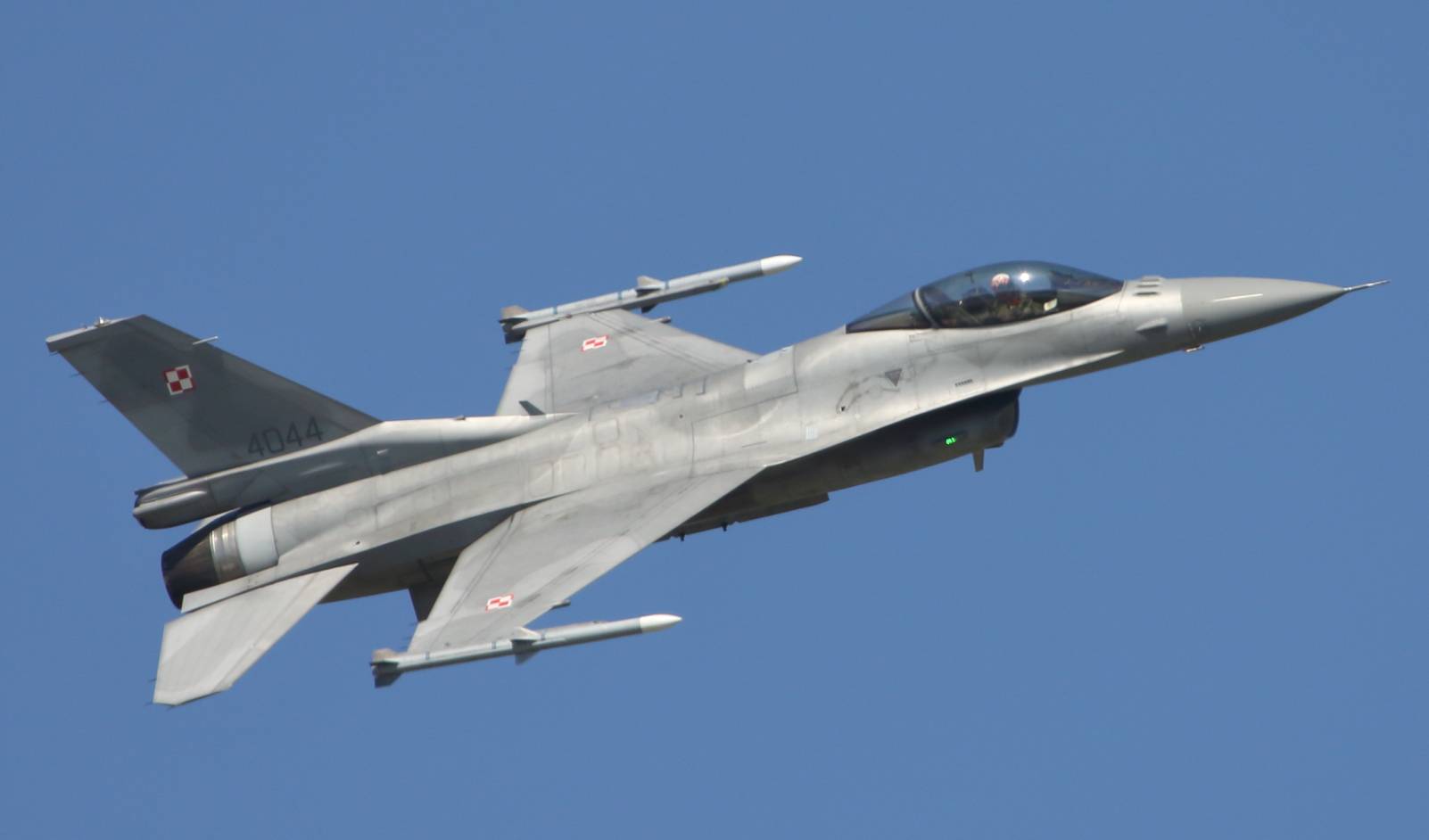
Air-raid sirens also sounded across Lublin province. Poland’s Operational Command placed air-defence systems on a high level of readiness and military aircraft took off to protect Polish airspace.
Operations at Lublin and Rzeszów airports were temporarily suspended during the military activity before later resuming.
Border operations were also disrupted. Personnel were evacuated and checks temporarily halted at the Dorohusk and Zosin road crossings, with processing later resuming after the immediate threat passed.
The strike is particularly significant because Dorohusk–Yahodyn is one of the main transport corridors connecting Poland and Ukraine. It carries freight and regular bus traffic and forms part of the wider logistics network linking Ukraine with the European Union.
It also follows a series of Russian attacks increasingly close to the Polish frontier this month.
Earlier in September, Russian drones struck Ukrainian transport infrastructure near Yahodyn, including a passenger train and targets close to the crossing. Poland subsequently reinforced several crossings with Ukraine, adding military protection and additional measures around Dorohusk, Medyka and Korczowa.
Only six days before Monday’s incident, Kosiniak-Kamysz and Interior Minister Marcin Kierwiński visited Dorohusk, where the Defence Ministry announced additional air, missile and counter-drone protection around border infrastructure.
The Polish government has increasingly treated Russian strikes close to the frontier as both a Ukrainian security issue and a direct challenge for Poland’s own emergency and air-defence systems.
Monday’s incident did not involve a confirmed Russian weapon entering Poland. But the combination of a strike next to strategically important border infrastructure, the evacuation of crossings, military aircraft activity and a civilian air-attack warning demonstrates how attacks in western Ukraine are increasingly generating immediate consequences on the Polish side of the border.