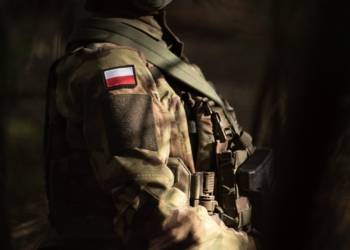


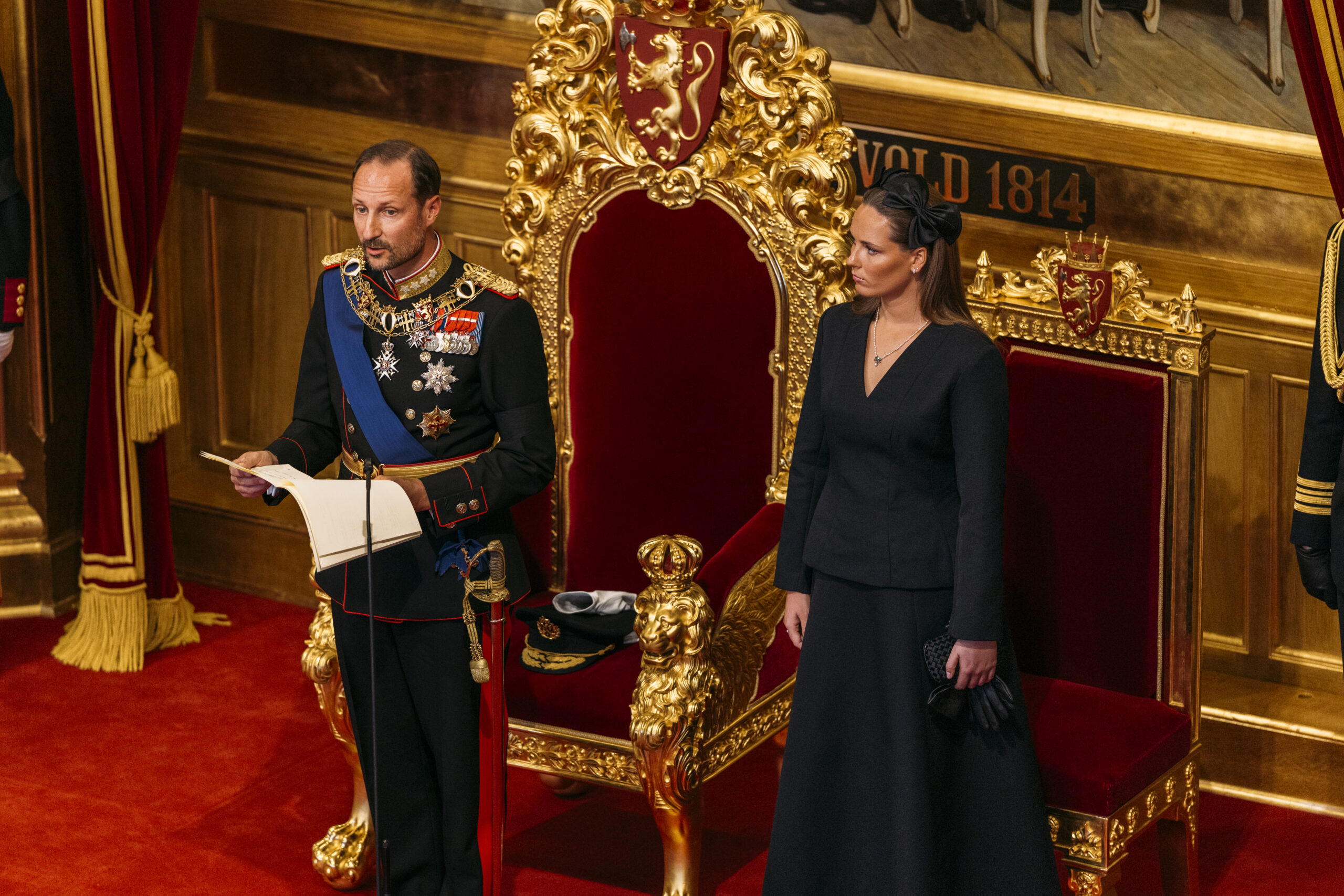
Poland has been named among Norway’s key allies in Europe and North America in the first throne speech delivered by King Haakon VIII since he became monarch. Opening the Norwegian parliament on 2 October, the new king read a government-prepared programme that placed security, Russia’s war against Ukraine and stronger defence cooperation with partners including Poland at the centre of Oslo’s priorities.
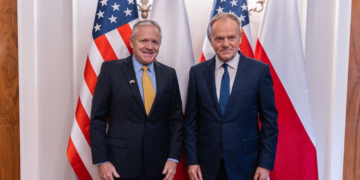
The speech said Norway was strengthening ties with “key Allies in Europe and North America”, specifically naming the United Kingdom, France, Germany, Poland and Canada.
The reference is notable because Poland was included in a short group of countries singled out in the formal annual statement setting out the Norwegian government’s policy priorities.
- Find more news from Poland on our Homepage .
King Haakon VIII delivered the address during the ceremonial opening of the 171st Storting, Norway’s parliament. It was his first such opening as king following the death of his father, Harald V, only weeks earlier. The president of the Storting described the occasion as historic, noting that Haakon VII had opened his first parliament exactly 120 years earlier in 1906.
The speech reflects government policy, not the king’s personal programme
Norway’s constitutional arrangements make an important distinction.
Although the monarch reads the Speech from the Throne, the address sets out the government’s programme and political priorities for the coming year rather than the king’s personal political views. Norway’s government explicitly describes the speech as expressing the main lines of government policy.
That means the reference to Poland should be understood as an official statement of the Norwegian government’s foreign and security priorities.
The speech said Norway faced its most serious security environment since the Second World War and identified Russia’s war against Ukraine as a threat to both Norwegian and broader European security. It also said developments in US politics were creating greater uncertainty for Europe and that new trade barriers were putting additional pressure on Norwegian companies.
Against that background, NATO remains the central framework for Norwegian security, while Oslo intends to deepen bilateral cooperation with selected allies.
Poland-Norway defence ties have grown rapidly
The reference to Poland follows a significant expansion of bilateral military cooperation.
In September 2025, the two countries signed a memorandum on deeper defence cooperation, covering political and military coordination, interoperability, defence industry cooperation and shared security challenges. Poland’s Defence Ministry said cooperation already included Norwegian F-35 deployments, NASAMS air-defence systems, military training and defence-industry projects.
Norwegian Defence Minister Tore O. Sandvik said at the time that Poland was important not only because of its geographical position but because of its growing contribution to European security.
The two countries are also closely involved in supporting Ukraine.
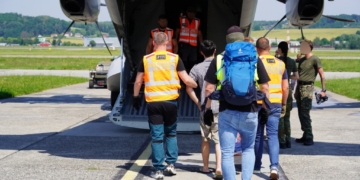
Norway leads Operation Legio, under which Nordic and Baltic countries and Poland help train and equip Ukrainian soldiers at Camp Jomsborg in south-eastern Poland. Norwegian government figures from 2026 said around 340 Norwegian personnel were working there, with approximately 3,250 Ukrainian soldiers expected to receive training during the year.
Norway’s government has also described Poland as an important partner in its wider strategy of building stronger European defence partnerships alongside countries including Britain, Germany, France, Canada and the Netherlands.
Security and Ukraine dominate Norway’s priorities
The throne speech said Norway would continue increasing defence spending after years in which its armed forces had been reduced.
Oslo intends to strengthen every branch of the military, improve security in northern Norway and reinforce civilian preparedness, including through the country’s first long-term civil-defence plan.
Norway also pledged to maintain a high level of military, humanitarian and civilian assistance to Ukraine.
The government said strengthening resilience was becoming increasingly important as European states confront competition over technology, strategic supply chains and critical resources as well as conventional military threats.
Defence is not the only link between Poland and Norway
The relationship has also grown in energy and infrastructure.
Norway is one of Poland’s most important gas suppliers, and the two countries have established a strategic energy partnership alongside their expanding military cooperation. During a bilateral meeting in Poland earlier this year, Norwegian Prime Minister Jonas Gahr Støre described Poland as an important ally and partner and highlighted their close cooperation on defence, energy and support for Ukraine.
The Baltic Pipe, which carries Norwegian gas through Denmark to Poland, has also given the relationship increased strategic importance since Europe reduced its dependence on Russian energy following the invasion of Ukraine.
For Warsaw, being explicitly included in such a short list of Norway’s key allies is therefore less a symbolic departure than recognition of a partnership that has already been expanding in defence, energy and regional security.
For Oslo, Poland’s location on NATO’s eastern flank, its military investment and its role in supporting Ukraine make it an increasingly important part of the security architecture connecting the Baltic, Nordic and Central European regions.