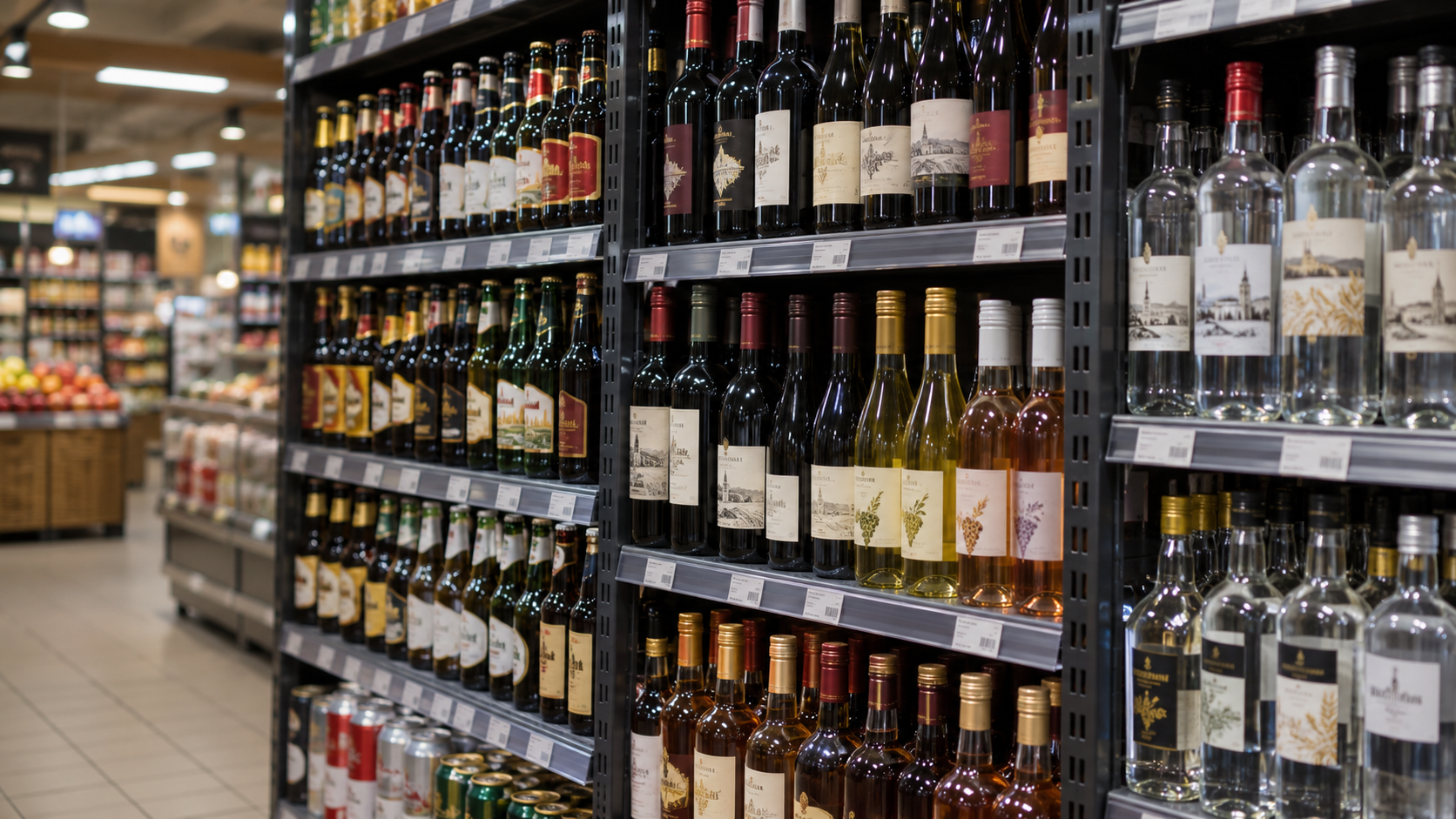
Poland has moved closer to introducing a nationwide ban on overnight alcohol sales after parliament completed its consideration of legislation restricting purchases in shops, supermarkets and petrol stations between 10pm and 6am. The measures, which would affect residents and visitors throughout the country, now await the president’s decision.
The Sejm, Poland’s lower house of parliament, considered the Senate’s amendments on Thursday, 19 November 2026, concluding the latest stage of work on a package of alcohol-control reforms.
The legislation would establish uniform national restrictions on alcohol sold for consumption away from the premises, replacing the current system in which individual municipalities decide whether to introduce local night-time bans.
- Find more news from Poland on our Homepage .
Under the proposed rules, retail outlets would be prohibited from selling alcohol between 22:00 and 06:00, regardless of whether they operate around the clock.
The restriction would not prohibit alcohol consumption during those hours or prevent licensed restaurants, bars and pubs from serving drinks for consumption on their premises.
According to the Sejm’s official legislative records, the legislation was originally approved by the lower house on 8 October before the Senate adopted amendments on 6 November.
What would the new restrictions mean?
For ordinary consumers, the most noticeable change would be the introduction of the same overnight alcohol-purchasing restrictions across Poland.
Supermarkets, neighbourhood convenience shops, off-licences and petrol stations would no longer be able to sell takeaway alcoholic drinks between 10pm and 6am.
The restrictions would apply nationally, including in places that have not previously introduced local night-time bans.
However, customers would still be able to order drinks for consumption inside licensed hospitality venues such as bars and restaurants.
An exception adopted during parliamentary consideration would also allow alcohol sales in designated customs-free and restricted areas of international airports.
The legislation preserves a role for local authorities. Municipal councils would be able to extend the restrictions to cover additional hours, potentially creating a prohibition from 9pm until 9am.
That would allow cities and towns to maintain stronger controls where they consider them necessary.
Petrol stations included in overnight restrictions
Petrol stations have been a particular focus of Poland’s debate over alcohol availability because many operate 24 hours a day.
Earlier versions of the proposed reforms included a complete prohibition on selling alcohol at petrol stations.
However, that proposal was removed during parliamentary work.
The legislation now awaiting presidential consideration would apply the overnight retail restriction to petrol stations without introducing a separate, permanent ban on alcohol sales at those locations.
This means petrol stations could continue selling alcoholic drinks outside the restricted hours, subject to the other applicable licensing rules.
Wider restrictions on alcohol advertising and promotions
The legislation goes beyond overnight sales.
It also introduces tighter restrictions on alcohol advertising and promotional practices, including the advertising of alcoholic beer.
The measures are intended to limit marketing that encourages customers to buy larger quantities of alcohol through discounts, free products or promotional packages.
Popular multibuy offers, including deals in which customers receive additional drinks for purchasing a specified number, are among the practices targeted.
The legislation also addresses the obligation to verify a purchaser’s age when there is uncertainty about whether they are legally old enough to buy alcohol.
Further changes concern retail alcohol-licensing fees and packaging requirements, with some measures subject to different commencement dates.
The Senate’s official account of its November deliberations confirms that the upper house introduced amendments covering advertising exceptions, promotional practices and implementation arrangements.
Why is Poland introducing the restrictions?
Supporters of the reforms argue that reducing alcohol availability, particularly late at night, would help limit alcohol-related harm and support public health.
Poland’s National Centre for Addiction Prevention has identified restrictions on alcohol availability and marketing as important measures for reducing the health and social consequences of drinking.
The changes have nevertheless prompted debate over whether national restrictions are preferable to decisions made by individual municipalities.
During parliamentary proceedings, opponents argued that existing laws should be enforced more effectively and questioned whether nationwide restrictions would disproportionately affect smaller retailers.
Supporters maintained that national rules would establish a consistent approach while allowing municipalities to impose additional controls.
Polish cities already have experience with local night-time alcohol restrictions, introduced under powers available to municipal authorities.
The proposed legislation would extend that approach across the country.
When could the ban begin?
The legislation’s principal commencement date is 1 June 2027, following a Senate amendment accepted during the final parliamentary consideration.
Some provisions, including certain packaging requirements, would take effect later.
The law still requires presidential consideration and promulgation before the new restrictions can enter into force.
President Karol Nawrocki may sign the legislation, veto it or refer it to Poland’s Constitutional Tribunal for review, subject to the applicable constitutional procedures.
Until the relevant provisions take effect, existing national legislation and local alcohol-sales restrictions remain in force.
For international residents and visitors, the proposed change would mean that late-night takeaway alcohol purchases could become unavailable throughout Poland, rather than only in particular cities or districts.