Poland’s historic city of Kraków has suspended preparations for its long-awaited underground metro system, with Mayor Łukasz Gibała insisting that work will not resume until the national government provides written guarantees of financial support.
The decision was reaffirmed during an extraordinary meeting of Kraków City Council on Wednesday, 25 November, amid growing disagreements over how the multibillion-złoty transport project should be financed.
Gibała confirmed that the city’s proposed 2027 budget does not include funding for further metro preparations.
- Find more news from Poland on our Homepage .
According to an official statement published by Kraków City Hall, the mayor believes committing additional public money without confirmed national or European funding would expose taxpayers to unnecessary financial risks.
He stressed, however, that the decision does not amount to permanently abandoning the project.
The city would be prepared to resume preparations if the government provides credible financial guarantees.
A PLN 15 billion project on hold
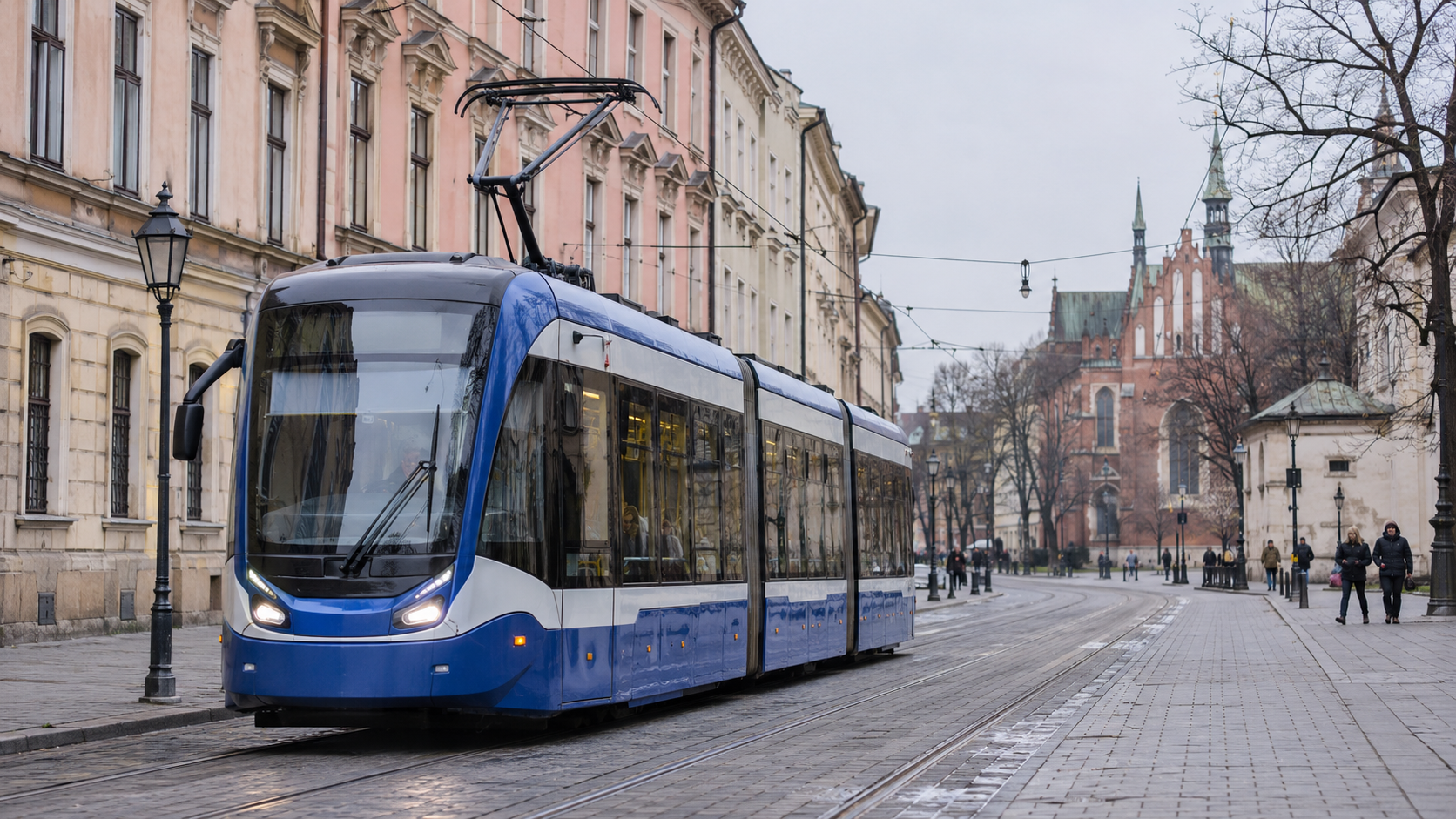
Kraków’s proposed metro is among the largest transport infrastructure projects being considered in Poland.
Under plans developed by the previous city administration, the network would consist of two underground lines extending approximately 29 kilometres, with 29 stations.
The proposed system was designed to connect major residential districts, including Nowa Huta, with the city centre and southern neighbourhoods.
Earlier municipal planning documents envisaged a network carrying approximately 300,000 passengers daily.
The estimated construction cost is between PLN 13 billion and PLN 15 billion.
Gibała told councillors that approximately PLN 40 million would be required for the next stage of project documentation.
He argued that the municipality could not responsibly commit that money without knowing whether the much larger construction programme would ultimately receive external financing.
The authorities have therefore suspended tenders associated with further preparations.
However, the mayor intends to retain the metro in Kraków’s long-term planning documents as a conditional investment that could proceed if financing becomes available.
Councillors warn that delays could jeopardise EU funding
The decision has prompted criticism from councillors and parliamentarians who believe Kraków should continue preparing the project while seeking financial assistance.
During Wednesday’s council meeting, representatives of several political parties argued that delaying documentation could make it harder to secure future European Union funding.
According to Radio Kraków’s reporting from the extraordinary session, Civic Coalition councillors maintained that the city needed sufficiently advanced plans before it could request specific sums from the government.
Opposition Law and Justice (PiS) representatives also called for an agreement between the mayor and central government.
PiS MP Andrzej Adamczyk announced plans to propose PLN 30 million in the national budget towards preparatory work.
Meanwhile, representatives of the Left argued that Kraków should position itself to benefit from the EU’s next long-term budget.
Academics, including Kraków University of Technology rector Andrzej Szarata, warned that stopping preparations could weaken the city’s chances of obtaining European financing.
Government expresses support but funding remains uncertain
The dispute continued on Thursday, 26 November, when government ministers addressed the future of Kraków’s underground transport plans.
Infrastructure Minister Dariusz Klimczak said municipalities could seek support for metro projects through a proposed national programme known as Metro Polska.
According to remarks reported by the Polish Press Agency, Klimczak intends to discuss securing €10 billion in European funding for underground urban transport projects with the new funds and regional policy minister, Agnieszka Bartol.
The proposed €10 billion would support qualifying projects across Poland, rather than being reserved exclusively for Kraków.
Deputy Prime Minister and Defence Minister Władysław Kosiniak-Kamysz also expressed willingness to discuss government support for the city’s underground transport ambitions.
Both ministers acknowledged the importance of national and European financing for major urban transport projects.
However, their statements did not establish a confirmed funding allocation for Kraków’s metro.
The city and government also held discussions concerning the investment on Thursday, according to Kraków City Hall.
What happens next?
The immediate future of Kraków’s metro now depends on negotiations between the municipal authorities and the national government.
The mayor wants written financial commitments before the city resumes substantial preparatory expenditure.
Supporters of continuing the project argue that preparations must advance in parallel with funding negotiations if Kraków is to compete successfully for European support.
For now, the proposed underground network remains in the city’s long-term plans, but there is no confirmed timetable for restarting work or beginning construction.