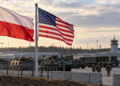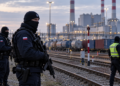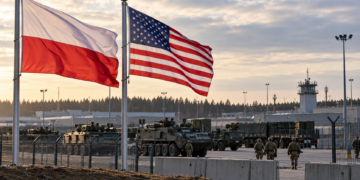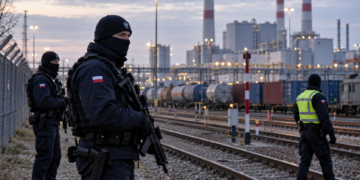


Poland’s Defence Ministry is working on a new law intended to strengthen the country’s ability to respond to an external security threat before martial law is formally introduced, including by accelerating military deployments and improving coordination between the armed forces, security services and civilian administration.
The proposal remains at an early stage. The Defence Ministry confirmed to Rzeczpospolita that a draft on the state’s defence readiness is undergoing internal consultations within the ministry. It has not yet been submitted to the government or parliament, and the ministry said it was not currently possible to say when it would reach the Sejm.
According to the ministry, the legislation is intended to strengthen Poland’s defence capabilities, improve cooperation between the armed forces and services responsible for internal security, and adapt existing rules to threats including hybrid activity, cyberattacks and disinformation. Deputy Defence Minister Cezary Tomczyk also confirmed on Friday that work on the legislation was under way and said the ministry expected to present the proposal after its internal consultation process.
- Find more news from Poland on our Homepage .
Faster troop movements and NATO coordination
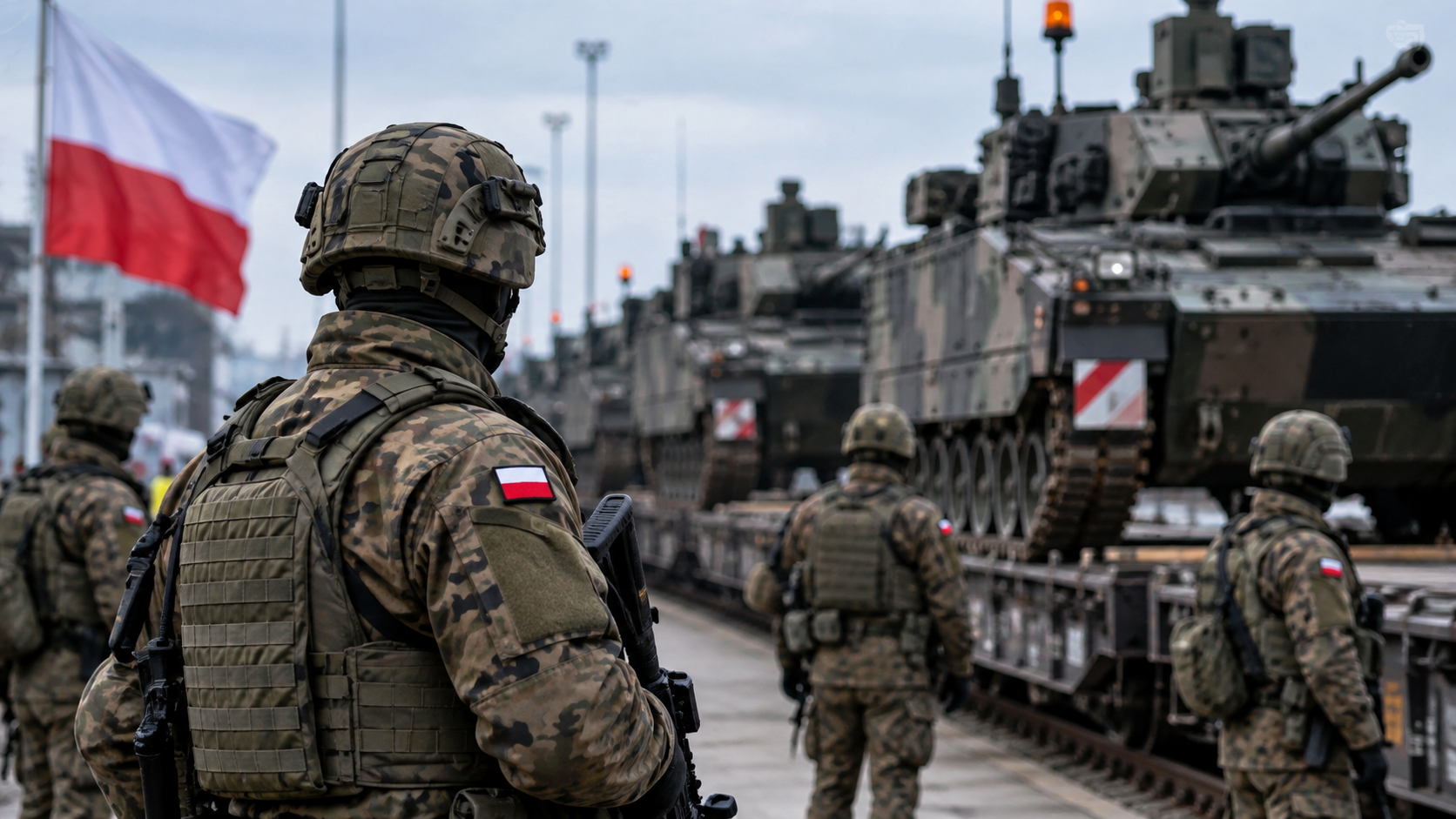
Among the measures being considered are mechanisms allowing troops — including allied forces — to be moved earlier to strategically important areas, Rzeczpospolita reported. The plans would also more closely connect Poland’s national Defence Response Plan with NATO’s response system and include preparations of infrastructure needed during a heightened security threat.
The proposed law is also expected to expand the range of institutions participating in Poland’s permanent-duty system and the system used to direct the country’s defence. It would regulate the work of civilian employees at command posts during a crisis, including circumstances in which their ability to return home could be restricted, and revise rules governing non-military operational planning, defence training and exercises.
The detailed provisions have not yet been published as a final public bill, meaning those elements may still change during ministerial, government and parliamentary work.
Poland already has two defence-readiness states
Poland already operates a formal system of defence readiness. Under a regulation adopted by the Council of Ministers in March 2025, the previous three-level arrangement was replaced with two states: permanent defence readiness and full defence readiness.
Permanent readiness applies during peacetime and covers activities including defence planning, training, warning arrangements and preparations for hybrid threats. Full defence readiness can be introduced when Poland faces an external security threat or during wartime and allows measures required for mobilisation, preparation for martial law and full deployment of the state’s defence system.
The new legislation is therefore not, on the information currently available, the creation of a separate constitutional “pre-war state”. That expression has been used informally in reporting and by people discussing the proposal, but the existing legal framework recognises the two defence-readiness states set out in the 2025 regulation.
The Defence Ministry says one reason for moving ahead with legislation is that rules governing defence preparations and the management of the state during a security crisis are currently spread across several government regulations issued under Poland’s 2022 Homeland Defence Act. The ministry argues that some provisions defining the duties and powers of public authorities should instead be regulated directly by statute.
If eventually approved by the government, the draft would still have to pass through Poland’s normal legislative process before becoming law.