

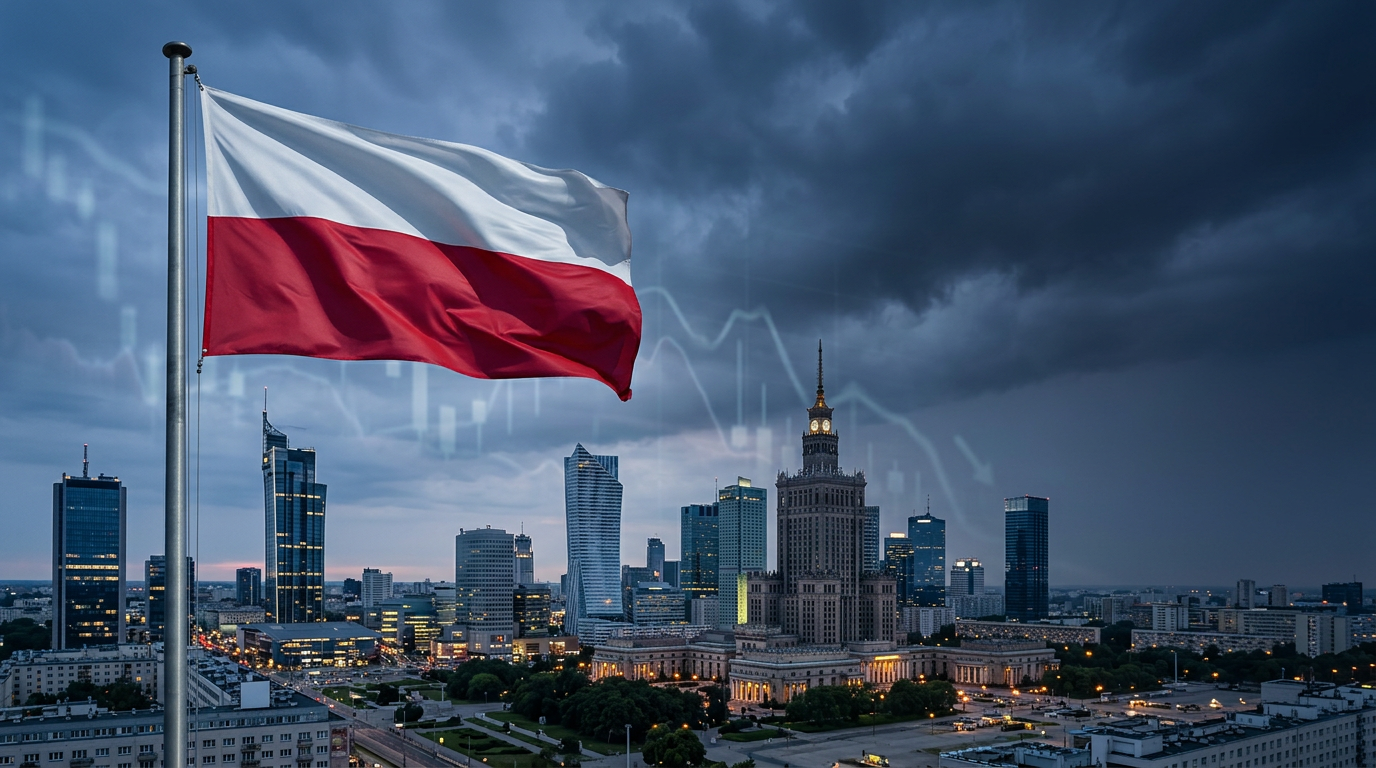
Poland’s economy lost an estimated 490.1 billion zlotys, or about $132 billion, in output between 2022 and 2025 because of Russia’s full-scale invasion of neighboring Ukraine, the country’s national statistics office said Wednesday.
The estimate, presented by Statistics Poland President Marek Cierpiał-Wolan at the Economic Forum in Karpacz, seeks to measure the wider economic consequences for Poland of the war that began in February 2022.
The calculation includes lost gross domestic product, higher defense spending, support for people displaced by the conflict and the erosion of household savings during a period of elevated inflation.
- Find more news from Poland on our Homepage .
Statistics Poland said the economic shock associated with the invasion reduced Poland’s gross value added by 426.5 billion zlotys over the four-year period. Construction accounted for 120.9 billion zlotys of that decline, according to the agency.
Gross value added measures the value created by businesses and other producers after the cost of inputs is deducted. It is a core component used in calculating GDP.
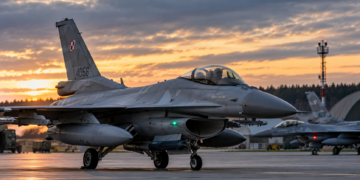
The agency also estimated that Poland spent an additional 154.2 billion zlotys on national defense from 2022 through 2025 compared with the level envisioned in the original draft of the Homeland Defense Act.
Cierpiał-Wolan said the additional defense outlays represented resources that otherwise could have been directed toward other uses, potentially including investments with a stronger effect on economic growth. He said the spending was largely financed through deficits.
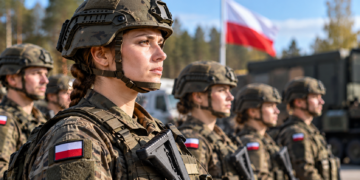
Poland has sharply increased defense spending since Russia’s invasion, reflecting its position on NATO’s eastern flank and concern over regional security. The country has undertaken a broad military modernization program, purchasing equipment and expanding its armed forces.
The statistics office said expenditures from Poland’s Assistance Fund reached 46.7 billion zlotys during the same period. The fund has supported efforts linked to the consequences of the war, including assistance for Ukrainians who fled to Poland.
Households were also hit by inflation, which weakened the purchasing power of savings. The agency put those losses at 70 billion zlotys.
Cierpiał-Wolan said the estimate was based on what the agency described as a cautious assumption: that one-third of inflation above the central bank’s target was connected to the escalation of the war.
High inflation drove a sharp increase in nominal wages, he said, but real wage growth slowed after the invasion. Real wages fell 2% in 2022, according to the agency’s presentation.
The figures do not mean Poland expects Russia to make an immediate payment, officials said. Instead, lawmakers described the work as an effort to establish a record of the economic cost borne by countries other than Ukraine because of the conflict.
Paweł Kowal, chair of the Polish parliament’s Foreign Affairs Committee, said the accounting could have persuasive value after the war and could demonstrate that the costs of violating international law extend beyond the country directly attacked.
“It does not mean that we assess that Russia will transfer these amounts to us tomorrow,” Kowal said. But, he added, such estimates could help show other countries considering actions that violate international law that the economic consequences can be measured.
The statistics office said it is preparing more detailed regional and sector-specific analyses. Cierpiał-Wolan said the methodology had already been discussed with experts, including specialists connected with the United Nations, and that further consultations are planned this autumn.
Not every part of Poland’s economy suffered equally, he said. Public administration, defense, education and health care saw increased activity and spending during the period.
Still, the overall estimate underscores how the war has reshaped Poland’s economic priorities, combining security expenditures, inflation pressures and public support costs with the loss of output in parts of the private economy.