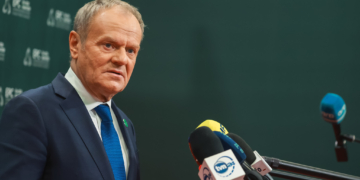
Polish Prime Minister Donald Tusk has warned that Russia is unlikely to enter serious peace negotiations over Ukraine before the end of winter, expressing scepticism about Vladimir Putin’s intentions despite an optimistic assessment delivered by US President Donald Trump to European leaders.
Speaking to reporters on Thursday, 19 November, after attending the Coalition of the Willing summit in Berlin, Tusk revealed that Trump had briefed participating leaders by telephone following his meeting with Putin and Chinese President Xi Jinping in Shenzhen.
According to the Polish prime minister, Trump’s assessment of the prospects for peace sounded optimistic, but the European leaders received his remarks cautiously.
- Find more news from Poland on our Homepage .
Tusk suggested that Moscow’s continuing military campaign provided little reason to expect an imminent diplomatic breakthrough.
Earlier in the day, the Polish prime minister had also responded to Trump’s description of Putin as a friend, declaring that the Russian leader was not, and would never be, a friend of Poland.
His remarks underlined the differing assessments emerging from Washington and Warsaw about whether Moscow was prepared to negotiate an end to the war.
Tusk: Russia unlikely to negotiate before winter ends
Tusk’s strongest warning concerned when meaningful peace negotiations might begin.
As reported by Polish news agency PAP, the prime minister said it appeared unlikely that Russia would seriously come to the negotiating table before winter ended.
The remarks were also carried by Reuters, which reported that Tusk doubted Moscow would be ready for serious negotiations in the coming months.
The Polish leader linked his scepticism to Russia’s continuing military operations, suggesting Putin was concentrating on intensifying the campaign rather than preparing for immediate concessions.
However, this was Tusk’s assessment of Russian intentions, not a confirmed timetable from Moscow.
He acknowledged that genuine negotiations would be welcome if Russia eventually demonstrated a willingness to pursue them.
The distinction matters because diplomatic discussions involving Russia, Ukraine and Western governments have continued even as fighting persists. The existence of talks does not itself establish that the parties are approaching an agreement.
Trump’s optimism receives cautious response in Berlin
During the Berlin summit, European leaders held a telephone conversation with Trump, who had just completed talks in China with Putin and Xi.
Tusk said the American president shared his impressions of the meeting, including his assessment of Moscow’s willingness to negotiate.
According to Tusk’s remarks reproduced by 300polityka, Trump’s comments sounded fairly optimistic, but those present responded cautiously when considering Putin’s and Moscow’s intentions.
Other contemporary Polish reporting, including Gazeta.pl’s account of the briefing, independently corroborated Tusk’s description.
The conversation followed a meeting in Shenzhen involving the leaders of the United States, Russia and China, where the war in Ukraine and nuclear arms control were among the subjects discussed.
The Associated Press reported that the three leaders had held talks lasting more than an hour, but no definitive breakthrough on Ukraine was announced.
It remains unclear what specific assurances, if any, Putin gave Trump about Russia’s willingness to accept a ceasefire or a wider peace settlement.
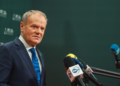

Tusk’s comments therefore reflect his reaction to Trump’s briefing rather than direct knowledge of every aspect of the discussions in China.
‘Putin is not our friend’
The Polish prime minister had already expressed his disagreement with Trump’s public description of Putin earlier on Thursday.
Speaking before travelling to Berlin, Tusk emphasised that Poland viewed the Russian president differently.
As Reuters reported from the Berlin summit, Tusk declared:
“Mr Putin is not our friend and will never be.”
The statement came amid concerns among European leaders that negotiations between Washington and Moscow could produce proposals affecting Ukraine and European security without sufficient participation by the countries concerned.
Poland has consistently argued that any settlement must protect Ukraine’s sovereignty and avoid changing Europe’s security arrangements in Russia’s favour.
In an official statement issued ahead of the Berlin summit, the Polish Prime Minister’s Chancellery reiterated Warsaw’s opposition to any agreement that would compromise either Ukraine’s independence or Poland’s security.
The different public assessments do not mean that Poland opposes negotiations with Russia. Rather, Tusk has argued that the terms of any agreement and the credibility of Russian commitments are essential.
Poland wants Europe involved in peace negotiations
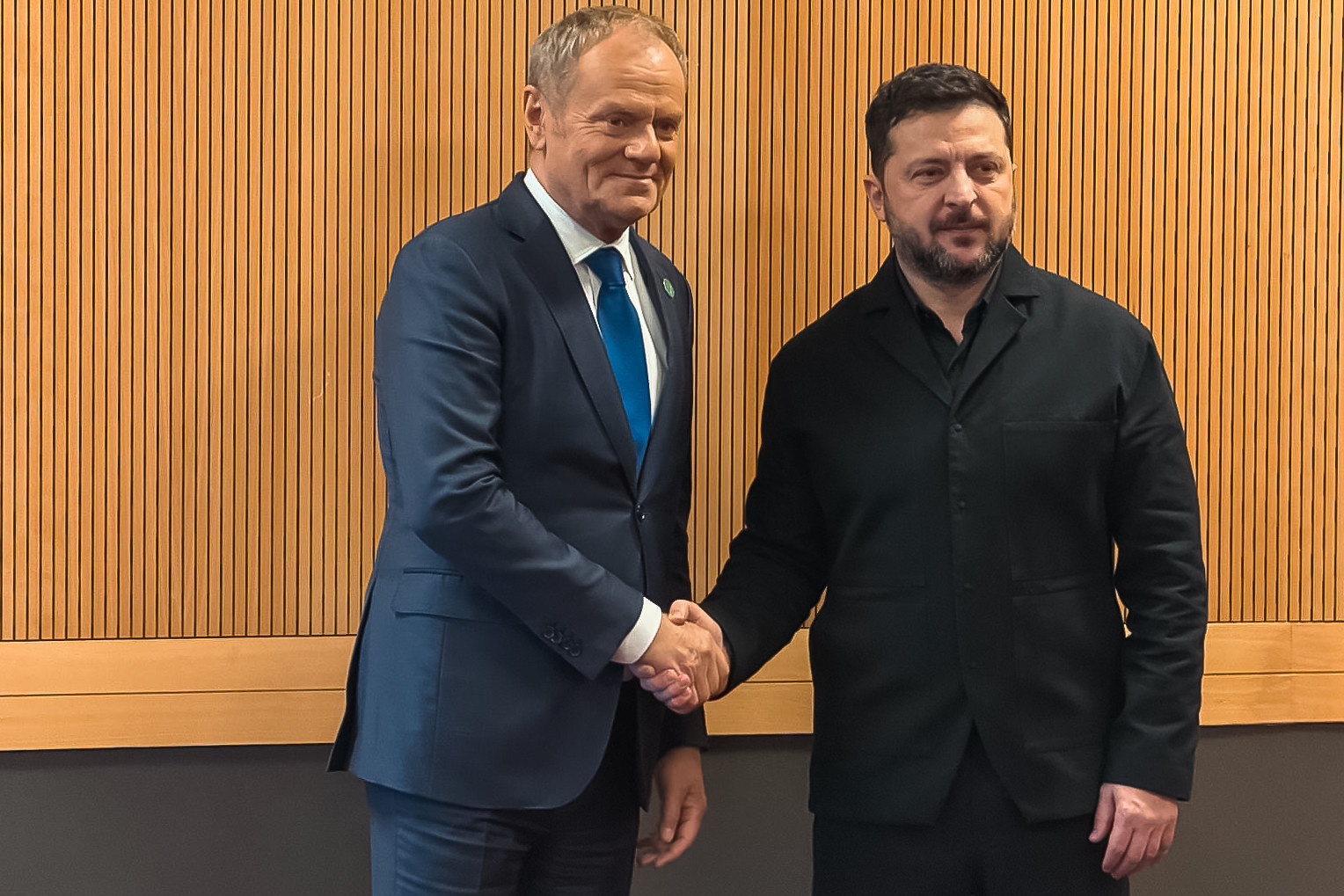
Tusk’s comments followed discussions in Berlin involving European leaders, Ukrainian President Volodymyr Zelenskyy and US representatives Steve Witkoff and Jared Kushner.
European governments have sought a direct role in talks over Ukraine, particularly because any future peace settlement could affect NATO’s eastern flank and the continent’s longer-term security arrangements.
Poland is among the five European countries participating in the E5 negotiating format, alongside France, Germany, Italy and the United Kingdom.
The arrangement was agreed at the European Political Community summit in Dublin on 13 November.
Poland’s participation reflects its role as a major supporter of Ukraine and its geographical position between the country’s western border and other NATO allies.
The Berlin meeting also produced a joint statement on continued support for Ukraine, including proposals for security guarantees and a call for Russia to accept a winter ceasefire on attacks against energy infrastructure.
But no comprehensive peace agreement or immediate ceasefire was announced.
For Tusk, the question remains whether Russia’s actions will eventually match any willingness to negotiate conveyed through diplomatic channels.
His warning that serious talks may not begin before spring underscores Poland’s cautious assessment of the prospects for peace, even as Washington continues pursuing a negotiated settlement.