Poland’s Baltic coast is gaining international attention, with National Geographic highlighting the connected cities of Gdańsk, Sopot and Gdynia as a destination offering far more than traditional seaside holidays.
The magazine’s annual Best of the World 2027 travel selection celebrates the region’s combination of maritime history, architectural character, cultural events and an evolving culinary scene. Describing the three cities as coastal destinations on the rise, the publication makes the case for discovering a part of Poland where centuries of history meet a distinctly modern outlook.
Known collectively as Tricity, or Trójmiasto in Polish, Gdańsk, Sopot and Gdynia sit along the southern Baltic coast. Although closely connected by transport links and urban development, each city has its own identity.
- Find more news from Poland on our Homepage .
That diversity is central to their appeal: visitors can explore historic merchant streets, relax at a fashionable seaside resort and discover pioneering modernist architecture within a single trip.
Three cities, three different stories
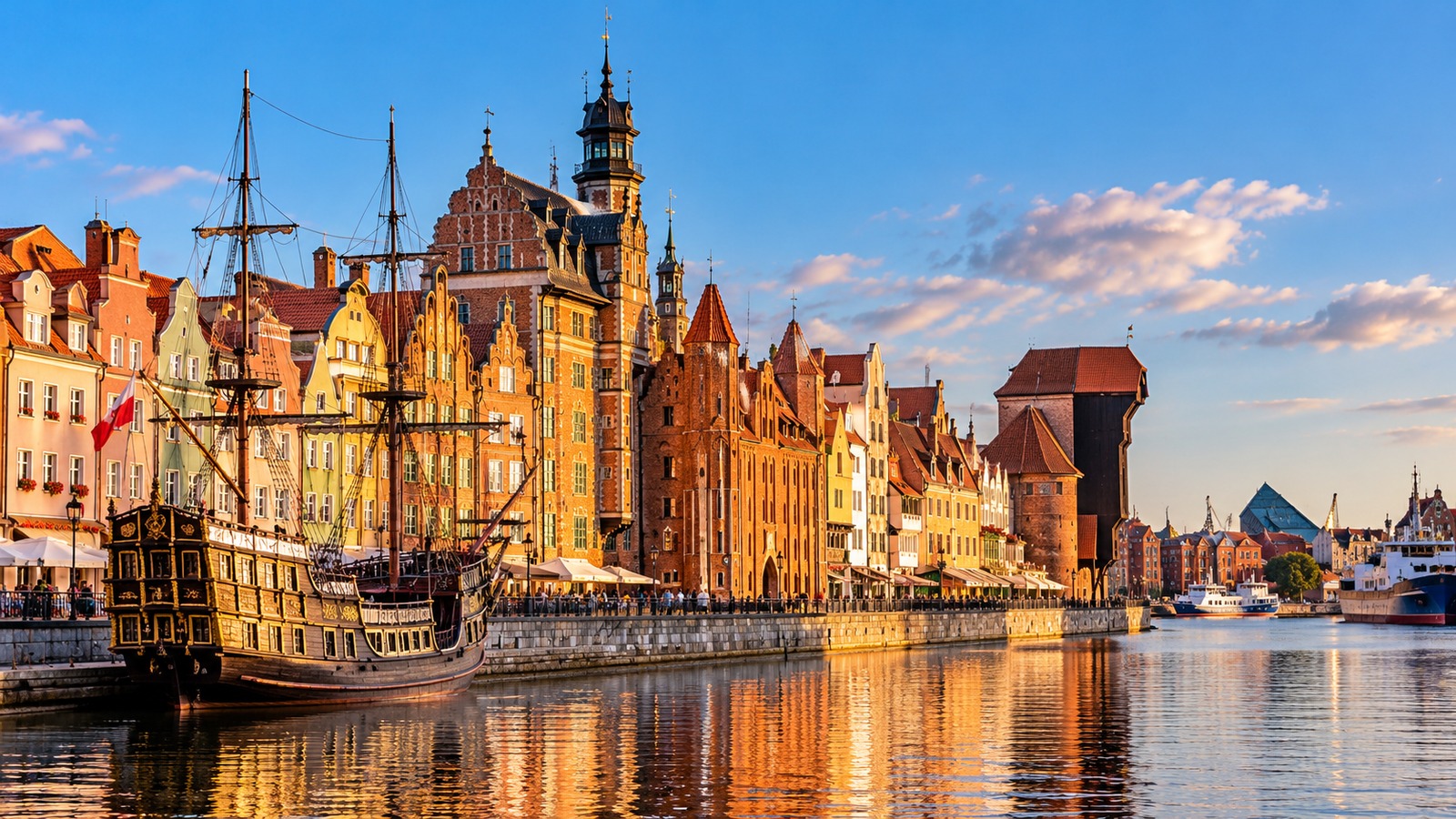
Gdańsk is the historic heart of the region. Its prosperity grew through maritime commerce, particularly during the sixteenth and early seventeenth centuries, when it was an important port within the Hanseatic trading network.
The city’s historic centre retains evidence of that commercial past, from richly decorated façades to landmarks along the Motława waterfront. Its history also extends well beyond the era of merchant ships.
The Gdańsk Shipyard became one of the defining locations of modern European history. It was the birthplace of the Solidarity movement, whose challenge to communist rule helped transform Poland and contributed to the wider political changes that swept across Central and Eastern Europe.
Today, the former industrial landscape is changing again. Old shipyard buildings, warehouses and waterfront spaces have been adapted for galleries, restaurants, music venues and other cultural uses.
National Geographic highlights this transformation as an example of how the region is finding new purposes for places that remain important to its historical identity.
Sopot offers a different atmosphere. Long associated with seaside leisure, the resort is known for its beaches, elegant streets and distinctive coastal character.
Its appeal lies in the opportunity to slow down between visits to the region’s larger historical and cultural attractions. The city also contributes to Tricity’s cultural calendar through events such as the Literacki Sopot book festival.
Gdynia, meanwhile, tells a story of ambition and reinvention.
Unlike Gdańsk, whose importance as a port stretches back centuries, Gdynia developed into a major Polish seaport during the interwar period. Its city centre was built largely between 1926 and 1939, when modern architecture and urban planning helped express the ambitions of a newly independent Poland.
The result is a coherent urban landscape of streamlined buildings, geometric forms and maritime influences.
That architectural legacy received an important international distinction in July 2026, when Gdynia Modernist City Centre was added to the UNESCO World Heritage List. The designation recognises the area as an outstanding example of early modernist urban planning and architecture.
It gives visitors another reason to look beyond the beaches and explore the city itself.
A cultural calendar that extends beyond summer
National Geographic’s recommendation also looks ahead to events that will bring international attention to the region in 2027.
Gdynia is scheduled to host the Polish regatta of the World Sailing Championships, an important international competition in the sport’s four-year Olympic cycle. The event is expected to add to the city’s maritime profile and bring sailors and visitors from abroad.
Gdańsk will offer a different kind of spectacle through St Dominic’s Fair, an event with medieval roots that transforms the historic centre with stalls, crafts, food, concerts and performances.
The city is also home to the Gdańsk Shakespeare Festival, which attracts international theatre companies. Its association with Shakespeare has historical roots: the modern Gdańsk Shakespeare Theatre stands on the site of a seventeenth-century playhouse.

In Gdynia, Kolosy provides another window into the region’s adventurous spirit. The annual gathering brings together travellers, sailors and mountaineers for presentations, films and exhibitions about exploration and travel.
Together with Sopot’s literary festival, these events help demonstrate that Tricity is not simply a summer beach destination. Its attractions span architecture, history, theatre, literature, sailing and outdoor adventure.
For visitors planning a 2027 trip, the combination creates opportunities to experience the three cities through different cultural perspectives.
Discovering the flavours of the Baltic coast
Food is another reason the region has caught National Geographic’s attention.
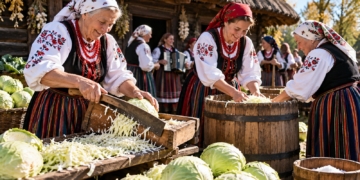
The magazine highlights a renewed interest in Kashubian cuisine, a regional culinary tradition rooted in northern Poland. Local chefs are drawing on ingredients and techniques associated with the Baltic coast, including fish, seasonal produce, smoking, pickling and fermentation.
The approach combines respect for local food traditions with contemporary cooking.
Baltic herring and cod remain familiar elements of coastal cuisine, while restaurants are finding new ways to present regional ingredients and family recipes.
The three cities each offer their own dining experiences. Gdańsk combines its historic setting with established restaurants and a growing collection of contemporary food venues. Sopot’s dining scene draws on its resort atmosphere, while Gdynia’s restaurants increasingly reflect the wider region’s culinary traditions.
This emphasis on food gives visitors another way to understand the coast beyond its scenery and architecture.
Regional cooking can reveal how communities have adapted to their environment, made use of local ingredients and passed knowledge between generations.
For international visitors, it also provides an introduction to Kashubian culture, an important part of the heritage of northern Poland.
Why Tricity is attracting attention now
National Geographic’s recognition comes at a moment when the three cities have several stories to tell about their changing relationship with the Baltic.
Gdańsk continues to reinterpret its industrial spaces without losing sight of the historical events that made them significant. Sopot maintains its identity as a seaside resort while contributing to a wider cultural destination. Gdynia’s modernist centre has received global heritage recognition just as the city prepares to welcome an international sailing championship.
These developments reinforce one another.
The region offers historical depth, but its appeal does not depend on preserving everything unchanged. Former industrial buildings have acquired new uses, architectural heritage has gained fresh recognition, and traditional regional cuisine is finding contemporary audiences.
The cities are also practical to explore together. Frequent commuter trains connect Gdańsk, Sopot and Gdynia along the coast, making it possible to move between their different attractions without relying on a car.
That makes Tricity particularly attractive to travellers who want variety within one destination rather than a holiday centred on a single city or resort.
The National Geographic feature is therefore more than an endorsement of Poland’s beaches. It draws attention to a connected coastal region where maritime history, cultural life, architecture and food all contribute to its character.
For Poland, the recognition offers an opportunity to introduce international audiences to a part of the country whose appeal extends well beyond the familiar image of a summer seaside break.
And for travellers considering where to go in 2027, Gdańsk, Sopot and Gdynia make a compelling case for discovering Poland from the Baltic shore.