

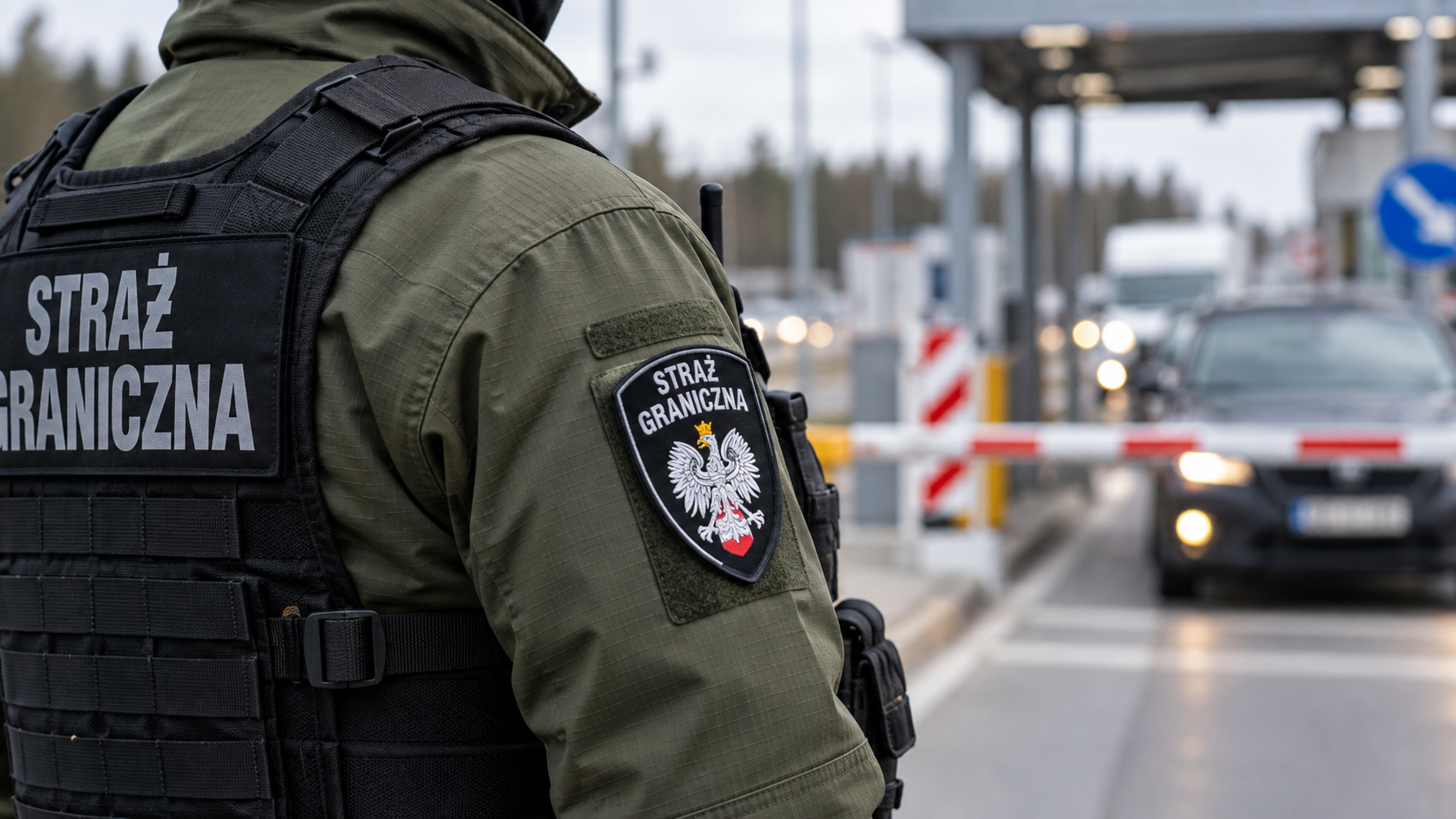
Almost 900 foreign nationals have been refused entry to Poland on the Lubuskie and Lower Silesian sections of the German border since temporary checks were restored in July 2025, according to new figures from the Nadodrzański Border Guard unit.
The latest total covers the section of the Polish-German border administered by the Nadodrzański branch of the Border Guard rather than the entire frontier with Germany.
The figure was released after another eight people were refused entry during checks carried out between 25 and 27 September. In most of those cases, travellers did not have documents allowing them to enter Poland legally, while one person had exceeded the permitted period of stay in the Schengen area.
- Find more news from Poland on our Homepage .
The latest Border Guard figures reported on Sunday say the nationalities most frequently represented among the nearly 900 refusals since controls began have been Ukrainian, Syrian, Turkish and Indian.
Authorities say the overwhelming majority of decisions were caused by travellers failing to meet documentary requirements for legal entry rather than by criminal offences.
A refusal of entry is an administrative decision and should not be confused with either arrest for illegally crossing the border or a decision ordering someone already inside Poland to leave the country.
Polish immigration rules allow the Border Guard to refuse entry for a number of reasons, including the absence of a valid travel document, visa or other required permission; exceeding the permitted period of stay in Schengen; insufficient evidence of the purpose and conditions of a visit; or certain security-related grounds.
The government’s official information for foreign nationals also notes that temporary restoration of controls at an internal Schengen border does not remove the normal requirement for travellers to satisfy Poland’s conditions of entry.
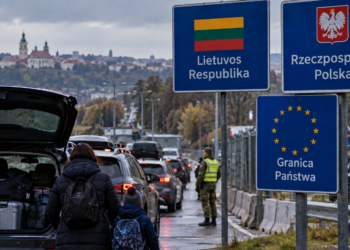
Poland restored controls on its borders with Germany and Lithuania on 7 July 2025. Checks are carried out selectively on people entering Poland rather than involving the systematic inspection of every traveller.
The government has said the controls are intended to reduce irregular migration along routes leading through Belarus, Lithuania and Poland towards western Europe.
The new figure also shows how the number of refusals has continued to rise. In the Nadodrzański Border Guard’s one-year summary published in July, the unit reported that almost 700 foreign nationals had been refused entry during the first 12 months of controls. At that point officers had checked almost one million people and around half a million vehicles.
Earlier data from the same unit showed that the most common reason for refusal was already a lack of the documentation required to enter Poland legally.
The figures concern only one operational section of the German border. The Nadodrzański unit is responsible for the crossings in Lubuskie and Lower Silesia, while other sections, including part of the border in West Pomerania, fall under different Border Guard structures.
The latest data come as Poland prepares to continue the controls beyond their current expiry date.
The existing measure runs until 1 October 2026. However, the Interior Ministry has already moved to keep the system in place for another six months.
A new Interior Ministry regulation published in the Journal of Laws on 25 September is due to enter into force on 2 October. The ministry’s plan extends temporary checks on the borders with Germany and Lithuania until 30 March 2027.
The government argues that continued controls are necessary because the migration route through Belarus and the Baltic states towards western Europe remains active.
When the previous six-month extension was announced in April, the Interior Ministry said that checks on the German and Lithuanian borders were intended both to curb illegal migration and to identify people involved in migrant smuggling.
The ministry said at that stage that more than three million people and 1.5 million vehicles had been checked across both borders since controls were first introduced.
Temporary internal border controls are permitted under the Schengen Borders Code when a member state identifies a serious threat to public order or internal security. Poland remains part of the passport-free Schengen area despite the temporary measures.


For most travellers, the controls remain selective rather than universal. However, people entering Poland from Germany can be stopped and required to demonstrate that they satisfy the legal conditions for entry.