


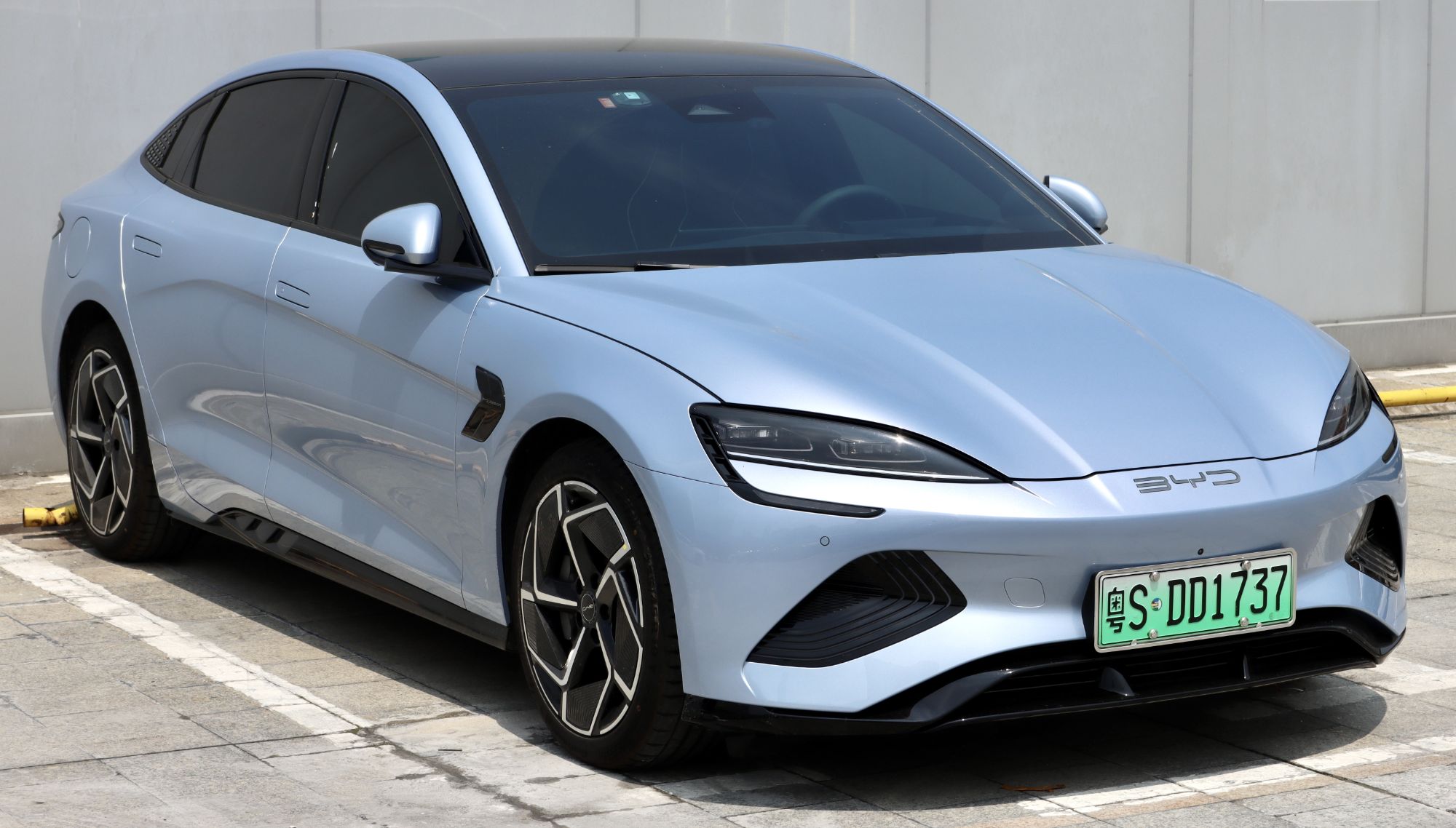
Poland’s military has imposed a ban on vehicles manufactured in China from entering protected military sites, citing mounting concerns over data security and the rapid spread of sensor‑laden “smart” cars on Polish roads.
The General Staff of the Polish Armed Forces announced the decision after a risk analysis focused on the growing integration of digital systems in modern vehicles and the possibility of uncontrolled collection and transmission of sensitive information. Col. Marek Pietrzak, spokesman for the General Staff, said the move targets both the technical vulnerabilities of advanced onboard systems and the intelligence value of the data they gather near critical infrastructure.
Under the order, all motor vehicles produced in the People’s Republic of China are barred from entering secured military facilities across the country. The General Staff said the ban is designed to strengthen the protection of critical military infrastructure and reduce the risk of leaks involving location data, imagery and audio from inside or around bases.
- Find more news from Poland on our Homepage .
The restrictions will not be limited strictly to Chinese brands. Other vehicles equipped with integral or additional devices capable of recording a vehicle’s position, video or sound will also be subject to limitations when accessing protected areas. Such vehicles may enter only if specified functions are switched off and if base commanders apply additional preventive measures required by site‑protection rules.
Commanders have been instructed, where possible, to designate secure parking areas outside restricted zones so that owners of affected vehicles have somewhere to leave their cars before entering military premises. The new order does not apply to publicly accessible military facilities, such as hospitals, nor to vehicles belonging to the armed forces and other uniformed services when they are conducting rescue or other official operations on base territory.
The General Staff’s move comes amid a broader debate in Europe about the security implications of Chinese‑made connected vehicles and their rapidly expanding presence on the continent’s markets. A report issued late last year by Poland’s state‑backed Centre for Eastern Studies (OSW) warned that the expansion of so‑called intelligent vehicles from Chinese manufacturers in Poland and other countries carries potential national security risks linked to their integrated computer systems.
Those systems, which manage nearly all functions of the vehicle, are supported by networks of cameras, sensors and positioning tools that constantly collect data on location and surroundings. Analysts at OSW cautioned that information recorded as such vehicles pass near critical infrastructure or military sites could prove valuable to hostile intelligence services, and that cars might in theory be used for remotely controlled acts of sabotage or terrorism.
The report noted that China is emerging as a global leader in these automotive technologies, outpacing rivals in the deployment of highly connected platforms. It also pointed to the rapid growth of Chinese brands in Poland: Chinese passenger cars accounted for about 7 percent of sales in the country in the first nine months of 2025, and their share exceeded 10 percent in October alone.
Market data from the automotive research institute SAMAR underscore the scale of that surge. In December 2025, 9,821 new Chinese vehicles were registered in Poland, a 427 percent increase compared with December 2024, giving Chinese models a 14.5 percent share of all new passenger car registrations that month. Over the whole of last year, 49,161 Chinese vehicles found buyers on the Polish market.
Alongside the immediate restrictions, the General Staff is pushing for a longer‑term regulatory response. The chief of the General Staff has submitted a request to the Defense Ministry’s leadership to launch work on legal and technical frameworks that would allow manufacturers of vehicles with advanced monitoring systems to obtain type approval specifically covering information security.
The goal, the staff said, is to introduce transparent and nondiscriminatory mechanisms for verifying the informational safety of vehicles sold in Poland, while still accounting for the need to protect sensitive infrastructure. Such standards could eventually apply across the market, creating security benchmarks for both domestic and foreign producers of connected cars.
Polish defense officials frame the new ban as a precautionary step in an era when everyday consumer products can double as powerful data‑collection platforms. With smart vehicles increasingly capable of mapping their surroundings in high definition and sharing that information through networked services, the military argues that even routine traffic near bases poses risks that must now be managed by policy, not just by perimeter fences.