

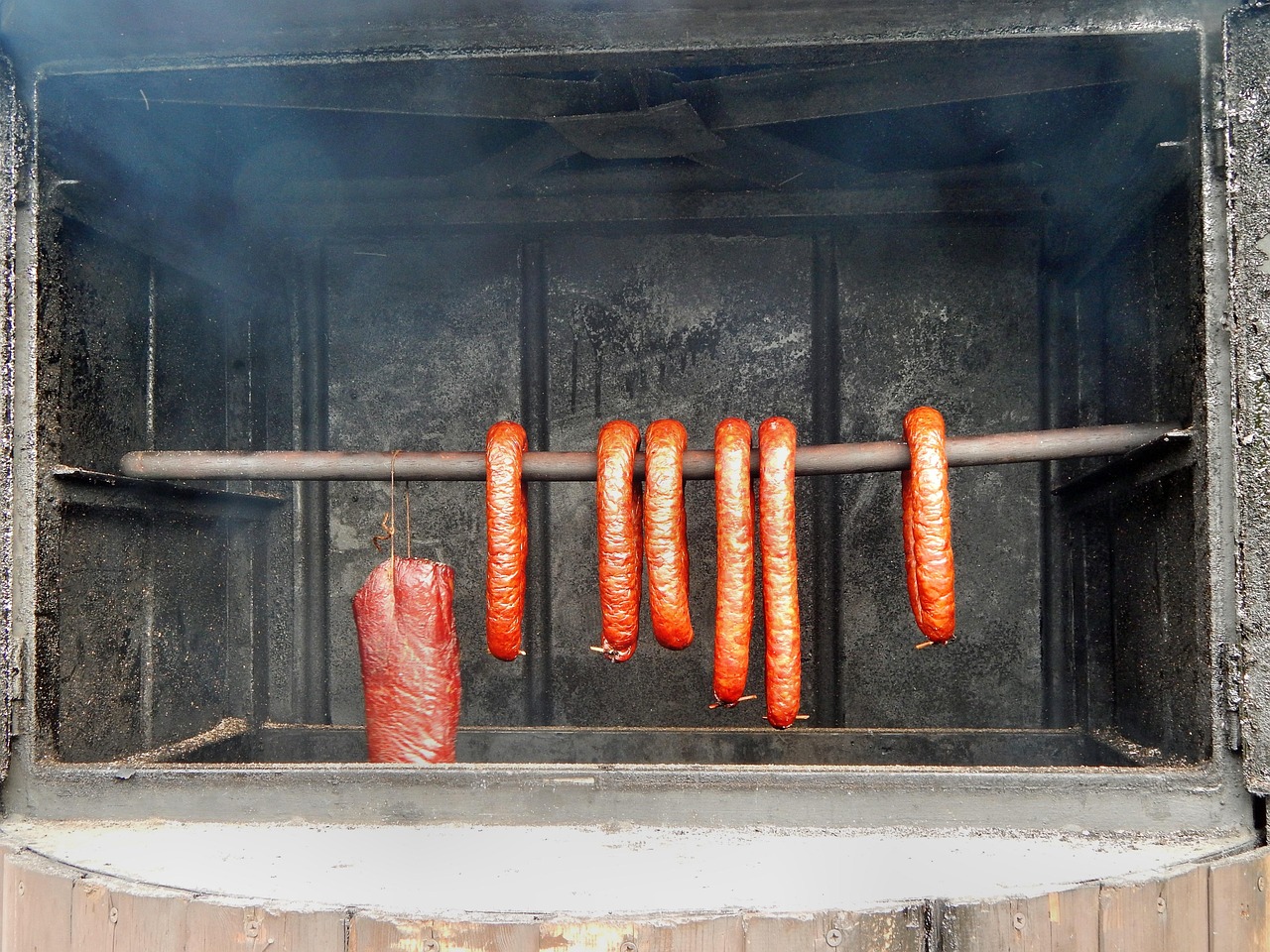
Smoked Polish sausage has been named the best cooked sausage in the world in a global ranking by culinary guide TasteAtlas, marking a milestone for the country’s meat producers and its gastronomic brand. The traditional product topped the latest “Top 100 Cooked Sausages in the World” list, sharing first place with Portugal’s Alheira de Mirandela and underscoring the growing international profile of Poland’s classic wędliny.
Smoked Polish sausage, or kiełbasa wędzona, is a seasoned pork sausage that is first cured and then slowly smoked over wood, giving it a deep, mahogany-brown exterior and a firm, springy texture. Typically made from high-quality pork shoulder and bacon, it is mixed with salt, pepper, garlic and marjoram, then packed into natural casings before undergoing a long smoking process in traditional smokehouses or modern chambers. The result is a sausage with a pronounced smoky aroma that releases as soon as it is sliced, revealing a juicy, pale pink interior speckled with small pieces of fat.
On the palate, kiełbasa wędzona combines an initial hit of smoke with layers of garlic, black pepper and subtle herbal notes from marjoram. The smoke is intense but balanced, complementing rather than overpowering the meat, while the seasoning gives a gentle warmth without aggressive heat. The texture is meaty and slightly coarse, providing a satisfying bite that holds its shape whether served chilled, pan-fried or simmered in soups and stews. When heated, the fat gently renders, enriching the flavor and leaving a light, savory coating on the tongue.
- Find more news from Poland on our Homepage .
The recognition puts a spotlight on a sausage long rooted in local craftsmanship and family recipes, but increasingly visible well beyond Poland’s borders. TasteAtlas highlighted the product’s smoky aroma, distinctive seasoning and strong link with regional identity, features that have helped it transition from a familiar staple of Polish tables to a premium delicacy for global consumers. The result, hailed by Polish media as a historic success, is being framed by industry watchers as more than a culinary curiosity and closer to a strategic asset for the country’s food exports.
Smoked sausage is not the only Polish entry to rank high in the TasteAtlas list, which surveys cooked sausages from multiple continents and culinary traditions. Classic “kiełbasa polska” captured 16th place, gaining notice for its firm bite and pronounced garlic notes that distinguish it from milder European varieties. Kiełbasa wiejska, or country-style sausage, finished 33rd and was cited as a model of traditional production, associated with small-scale methods, rural butcheries and recipes passed down through generations.
Together, the three products form a recognizable “family” of Polish sausages that officials and producers hope to leverage in branding campaigns. Industry advocates argue that the breadth of styles — from strongly seasoned, export-ready lines to rustic village offerings — allows Poland to appeal both to everyday shoppers and to food enthusiasts hunting for authentic regional specialties. The rankings also support long-running efforts by local producers to secure protected designations and clearer labeling of traditional goods within the European Union.
The strong performance of Polish sausages comes as the country’s broader cuisine gains traction in international rankings. In a separate TasteAtlas listing of the world’s best national cuisines, Poland is reported to hold 14th place, ahead of several better-known European food destinations. Commentators say that combination of high marks for individual dishes and a solid overall position helps reinforce the “Made in Poland” label in gastronomy and may boost tourism tied to food and regional products.
Export prospects are already emerging as a key storyline around the latest TasteAtlas announcement. Broadcasters and agricultural outlets have noted that a first-place finish in a global sausage ranking can be a valuable marketing tool in negotiations with foreign distributors. Food industry representatives say that the publicity may open doors in specialty retail, online gourmet platforms and diaspora markets where Polish products are in demand but still compete for shelf space.
For many producers, the goal is to move beyond bulk-volume exports and build a higher-margin segment of branded, carefully described premium sausages. That strategy would mirror what countries such as Italy and Spain have done with their flagship cured meats, combining storytelling, regional identity and strict production specifications. Cooperative campaigns between manufacturers, regional authorities and national promotion agencies are being floated as ways to turn media buzz into long-term contracts.
The cultural dimension of the ranking is also resonating with ordinary consumers who see smoked sausage as a symbol of family gatherings, holidays and rural roots. Comment pieces accompanying coverage of the TasteAtlas list emphasize that the award validates everyday Polish culinary habits often overshadowed by more famous global cuisines. Food bloggers and local commentators have encouraged readers to seek out small producers and traditional butcher shops, arguing that international recognition should translate into support for domestic artisans.
While global rankings are, by nature, subjective and often spark debate, Polish observers say the latest result confirms a trajectory they have noticed in recent years: their cuisine is being discovered, photographed and shared worldwide. In that context, a smoky, well-seasoned sausage emerging at the top of a list of 100 cooked varieties is seen as both an accolade and an invitation. For Poland’s meat industry, tourism sector and culinary scene, the challenge now is to ensure that the world’s new interest in their signature sausage leads to lasting gains rather than a passing trend.